



How Artificial Intelligence Enhances The Hospitality Industry


Hotels and travel agents use artificial intelligence (AI) to understand guests better, automate routine work and cut operating costs. This article covers the main uses of AI in the hospitality industry and the challenges that remain.
Go Wombat’s teams include developers certified in data science and AI.
Build your AI-based solutions with us. Contact us here.
The main benefit of AI in hotels is support for staff in routine daily tasks. This cuts costs, reduces human error and improves service, and good service is what turns first-time guests into loyal ones.
AI Uses In The Hospitality Industry
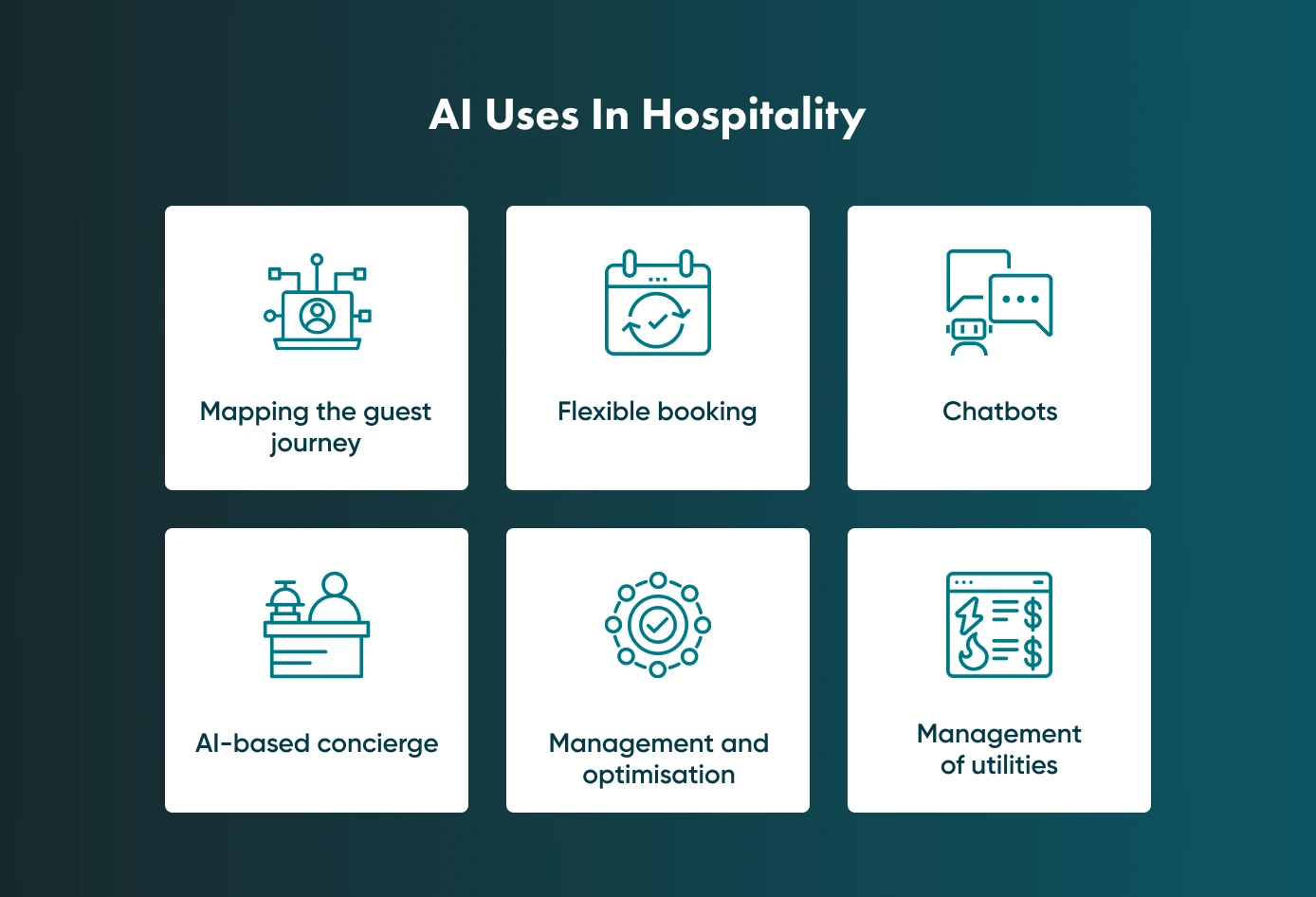
Hotels use AI to analyse data, make predictions and optimise operations.
Mapping the guest journey
AI can help hoteliers map the guest journey from check-in to check-out and find where the experience can improve. Analysing guest data shows expectations, preferences and trends, so hotels can personalise what they offer each guest. For example, a booking engine can offer late checkout to guests whose return flight leaves in the evening. Personalised recommendations and facial recognition are two common AI applications in hotels.
Flexible booking
AI-based booking systems help attract guests and let them book rooms and services in fewer steps.
Communication
Chatbots can answer guests’ frequent, routine questions quickly. Many guests still want to talk to a person, though, so hotels need the right balance between automation and human contact.
AI concierge
Some hotels have installed robot assistants in the lobby to handle simple tasks and take load off the front desk. Travel agents use smart assistants to give customers information.
Automation and optimisation
AI can reduce operating costs. For example, booking and housekeeping systems with built-in AI can simplify workflows and help managers monitor how tasks are performed.
Management of utilities
AI control systems and utility monitoring tools help hotels forecast water and energy consumption, reduce it and cut utility costs.
To build an AI solution with Go Wombat, contact us.
Challenges Remaining with AI
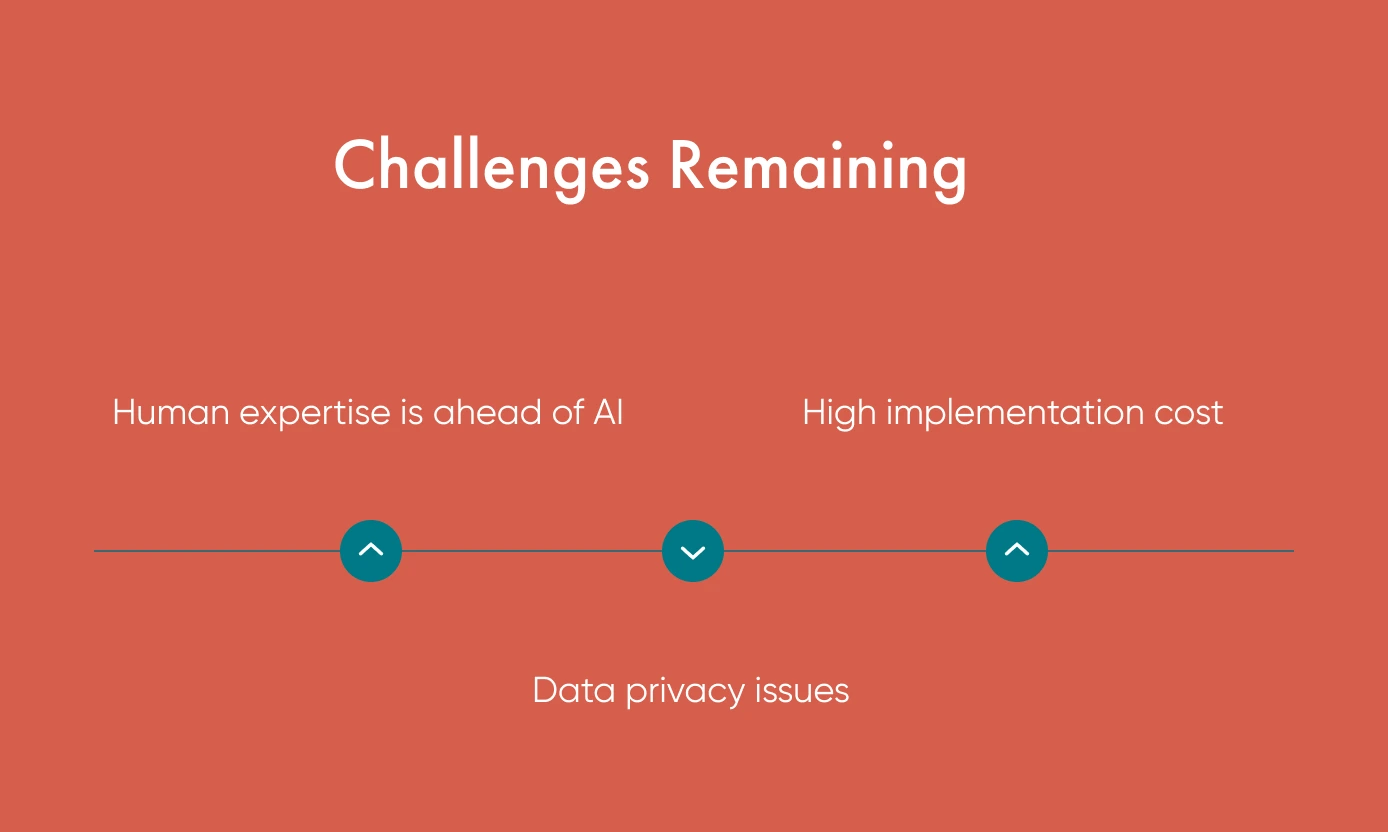
AI still has limits that hotels need to plan for.
Human Expertise is Still Ahead of AI
AI can automate many tasks, but it cannot fully replace human expertise, and people still need to oversee AI-based processes. AI systems still make mistakes. They learn from data that people collect and enter, so errors in that data lead to wrong conclusions and decisions.
Privacy
AI-powered systems collect vast amounts of private and confidential information which requires protection from violation of data privacy laws, and defence against unauthorised access. Hotels systems must comply with privacy rules and laws. Hoteliers and travel agents need to protect their systems from hacking and cyber-attack. The more that data handling is automated, the more it needs to be protected. Integration of AI algorithms and compliance with privacy standards will further enhance the offering from the hospitality industry.
Cost
Integrating AI software into hotel and travel agency processes and installing robotics systems is expensive.
Contact us to discuss your project and budget.
The Way Forward With AI
Start with one process where AI pays back quickly, such as housekeeping scheduling or utility monitoring, and extend AI to other areas once it shows results. At Go Wombat, we help clients choose the right option for AI-based software development.
Reach out to Go Wombat to discuss your AI project.
Share and subscribe to our blog
Related articles

10 Key Software Development Trends In 2022
The software development trends we expected to matter most in 2022, from automation and AI to blockchain and PWAs, and what they mean for custom software.

Big Data in the Hospitality Industry
Big Data in the hospitality industry: what it is, how hotels, restaurants and travel companies use it, and the limitations to plan for.

Current Trends in The Hospitality Industry
Technology trends in the hospitality industry since the COVID-19 pandemic: automation, feedback and task management, chatbots, mobile check-in, IoT and AI.

How Do You Build an Online Hotel Booking System in 2026?
How to build an online hotel booking system in 2026: in-house versus marketplace, the features guests and staff use, useful APIs, security and cost.

How can we help you?

