



How to Reduce MVP Development Costs

An MVP (minimum viable product) lets you test demand before paying for a full build. Developers build it quickly to get feedback from users and find problems or blind spots in the software, which protects the overall budget.
This article explains how to reduce MVP development costs.
The MVP Approach
An MVP helps you test hypotheses and get customer feedback. Some companies spend years before finding out that their idea doesn’t work, and a lack of market demand is a common reason startups fail. An MVP is a real product that customers can test, so it shows early whether the concept will sell or needs adjustment.
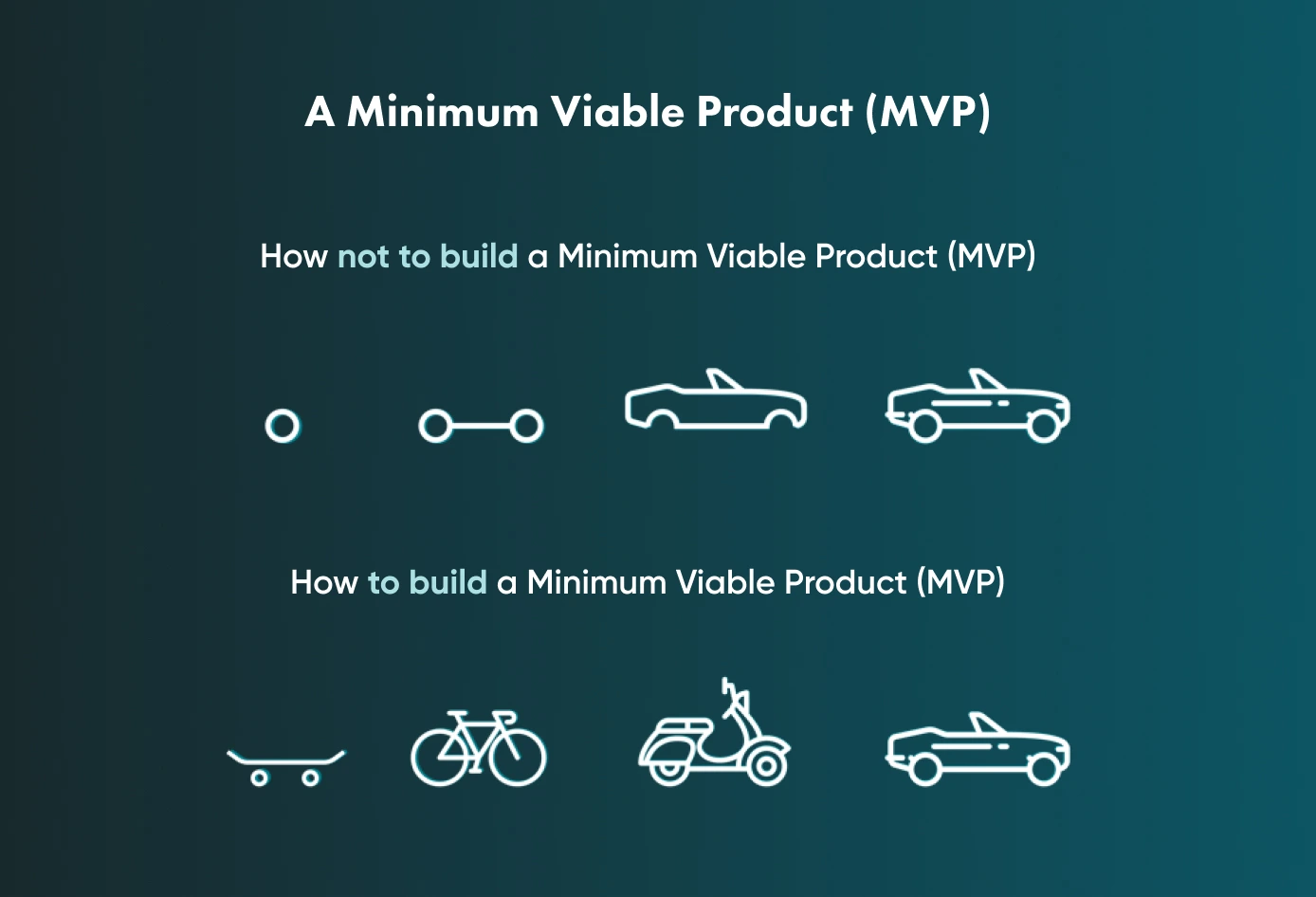
It can be a prototype, a landing page, a simple concept or an app with a basic feature set, and it can be improved based on customer feedback. This keeps the time and effort spent on validating the concept low and avoids paying for a full product nobody needs.
To build an MVP with Go Wombat, contact us.
Benefits of an MVP
The key benefits of minimum viable product development are:
Reduced Costs
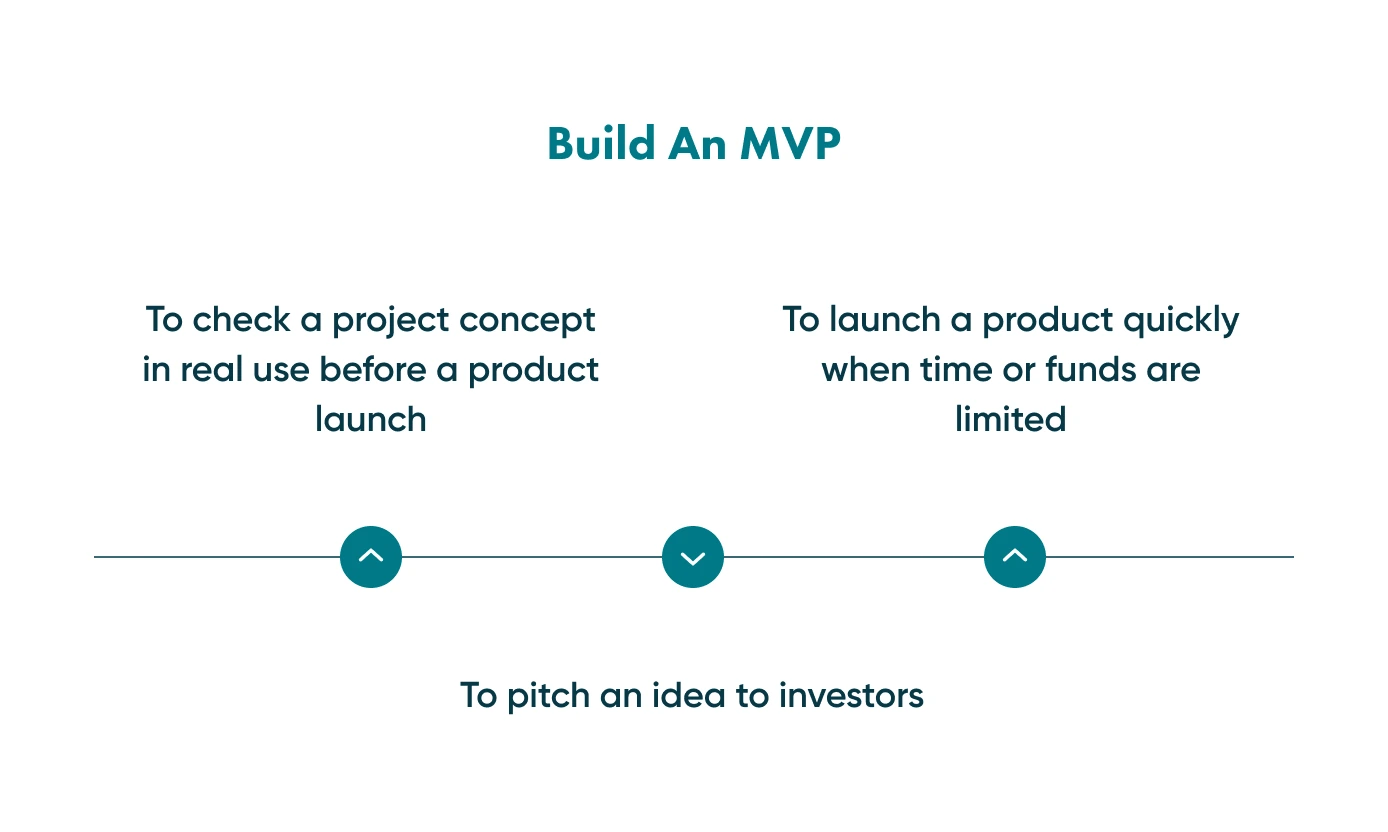
You don’t spend money on complex software before you know users want it. A product with a limited set of features is enough for potential customers to evaluate.
Pitch to Investors
An MVP is a strong way to present your idea to potential investors. At a minimum, have a clickable prototype.
Faster Release
Launching early gets you real user feedback sooner. At Go Wombat, an MVP takes about two months to build.
Iterations
The team plans and builds a version, releases it, reviews user feedback and repeats. These short iterations are an efficient path towards the final product.
Customer Needs
Building an MVP means identifying the key pain points of your future customers. Once the market has validated the idea, you can adjust and scale the software to fit their requirements.
Reduced Errors
An MVP keeps functionality basic. Fewer features mean faster coding, and less code means fewer errors.
Lower Risks
Creating an MVP means taking fewer financial and time risks. The concept is tested early, so if it doesn’t fit the market, you can adjust or rebuild it before spending too much money and time.
Early Monetisation Strategy
An MVP lets you test early which monetisation model suits the product best.
How To Build A Minimum Viable Product
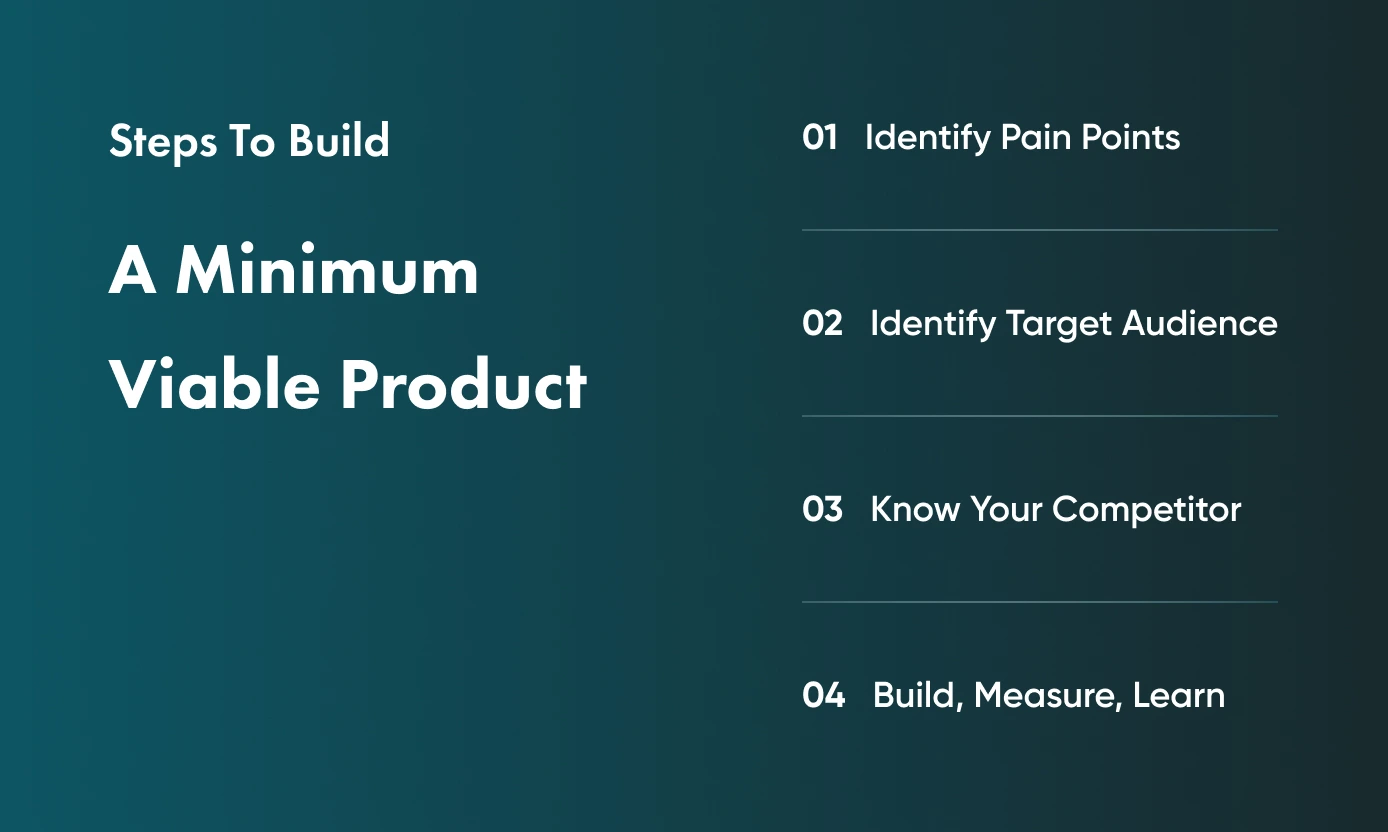
Key points when building an MVP:
Pain Points
To develop the concept, you need to understand the eventual users: what problems they have and which of them the product will solve. That takes clear aims, good market research and a clear brief for the development team.
Target User
Define the target audience and identify its requirements, so the product fits them.
Competitor Analysis
Analyse your competitors’ strengths and weaknesses to decide how your product will outperform them.
Measurement
Once the MVP is live, measure it with sales metrics such as Average Revenue Per User and Customer Acquisition Cost. Metrics show how users perceive the product and guide further development.
To discuss your MVP, get in touch with Go Wombat.
Reducing The Cost Of Software Development
Seven ways to reduce MVP development costs:
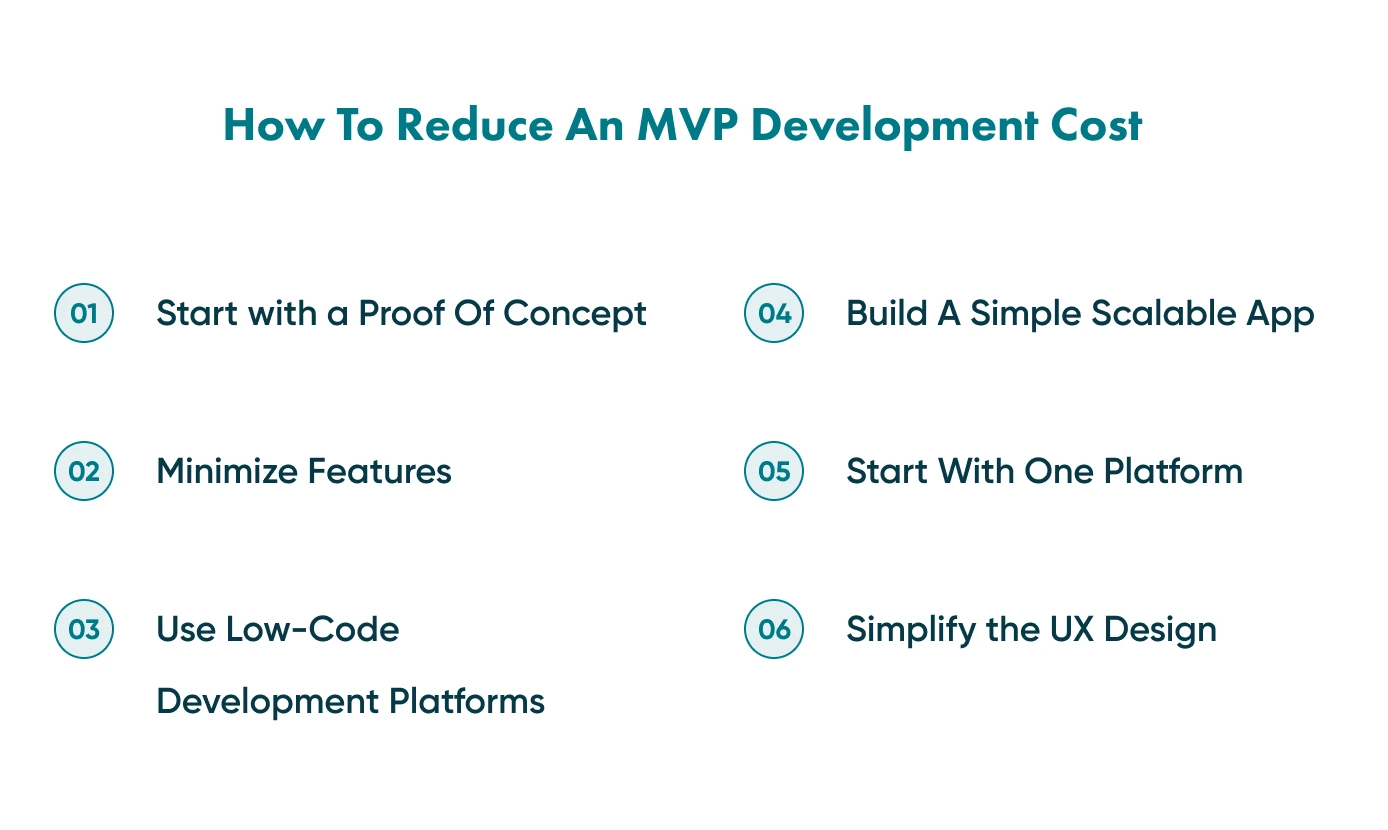
Start with a Proof Of Concept (PoC)
If the budget is very tight, build a PoC before commissioning an MVP. A PoC is simple software that implements a single function, and Go Wombat can build one for you. It is usually enough for a first presentation to investors.
Minimise Features
Fewer features mean less development time, lower cost and an earlier release. An MVP should have few features, and they must be the right ones. Go Wombat can analyse the product, the market and user demand to decide which functions are essential. They should be enough to launch the app, test it with a sample of target users and pitch for more investment.
Use Low-Code Development Platforms
Low-code platforms let developers build with less hand-written code. Go Wombat has used Airtable for a startup client. Low-code reduces time and cost, but it cannot yet replace conventional development for complex technical applications.
Start With One Platform
You may eventually need both a web and a mobile application, but it is better to start with one platform, test the MVP and add platforms if it works. Go Wombat can build a web application first or a cross-platform mobile app, which uses a single code base for both iOS and Android. We use React Native for cross-platform mobile apps (it renders native iOS and Android components) and Python for web apps.
Build A Simple Scalable App
The first version should have basic functionality and show users the main idea. If it is built to scale, developers can upgrade it easily later, for example using cloud services such as AWS, OVH, Heroku, Microsoft Azure or DigitalOcean. Go Wombat mainly uses AWS and OVH. Building a complex app with dozens of features from the start is unnecessary and risky.
Simplify the UX Design
An MVP’s design should be simple and intuitive, with easy navigation. Good UX design doesn’t need to be expensive.
Outsource
Outsourcing to an IT contractor such as Go Wombat gives you access to a large talent pool and flexible pricing, which can lower costs. For more on the benefits and risks, read our article on outsourcing.
To plan your MVP, contact Go Wombat.
Share and subscribe to our blog
Related articles

10 Key Software Development Trends In 2022
The software development trends we expected to matter most in 2022, from automation and AI to blockchain and PWAs, and what they mean for custom software.

How Do You Build an Online Hotel Booking System in 2026?
How to build an online hotel booking system in 2026: in-house versus marketplace, the features guests and staff use, useful APIs, security and cost.

How Can IoT Software Solutions Boost Your Business in 2026?
How IoT software works, the business models it enables, the opportunities it creates and the integration and security problems to plan for.

How can we help you?

