



Key Food Delivery Industry Trends In 2022

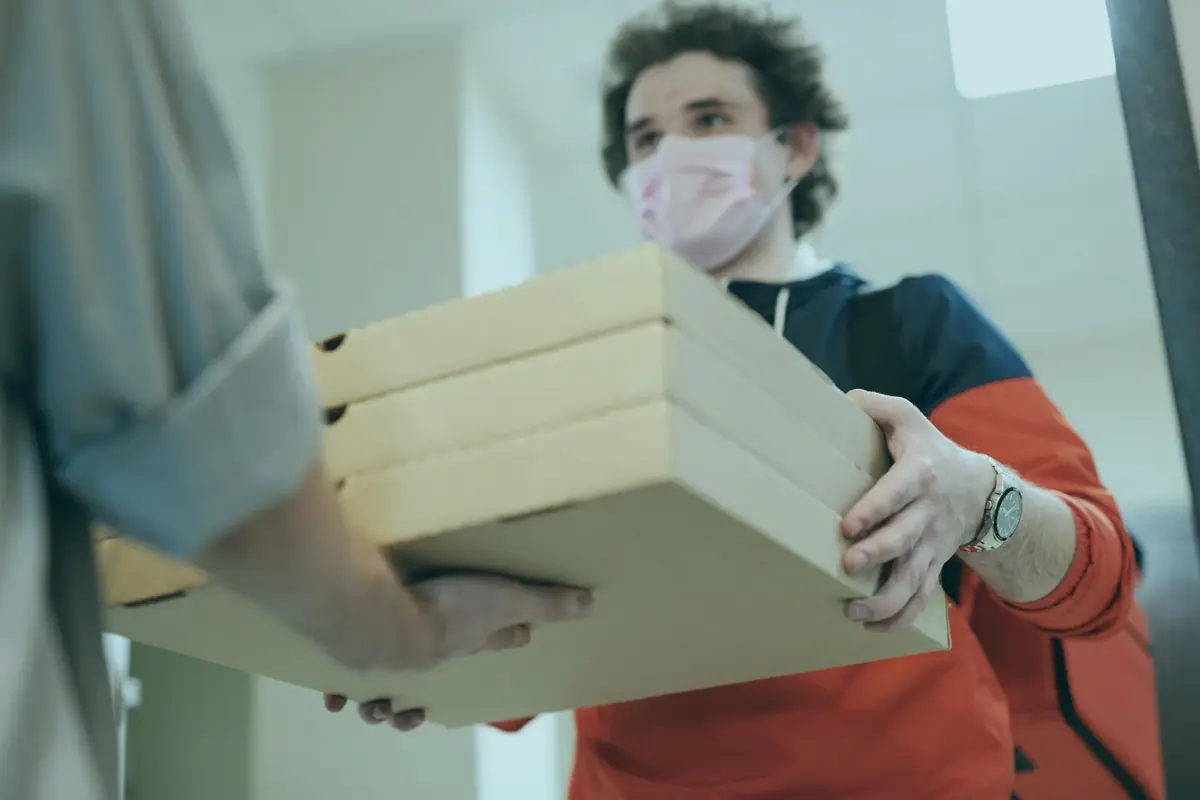
The food delivery sector grew and changed during the COVID-19 pandemic. This article, written at the end of 2021, looks at the food delivery trends we expected in 2022 and the software behind them.
Go Wombat can help you choose the right changes for your business and build the software for them.
The Transformation of the Food Delivery Sector
Social distancing and the need to reduce face-to-face contact changed how restaurants and cafés served customers. Many switched to delivery or expanded it to survive.
According to The Business Research Company, the online food delivery market reached $177.9 billion in 2025 and is expected to grow to $314.84 billion by 2030, at a CAGR of 12.2%.
Websites and mobile apps became essential for most catering businesses. Even those that offered online delivery before the pandemic had to reorganise their service to handle more ordering channels.
Advanced delivery channels
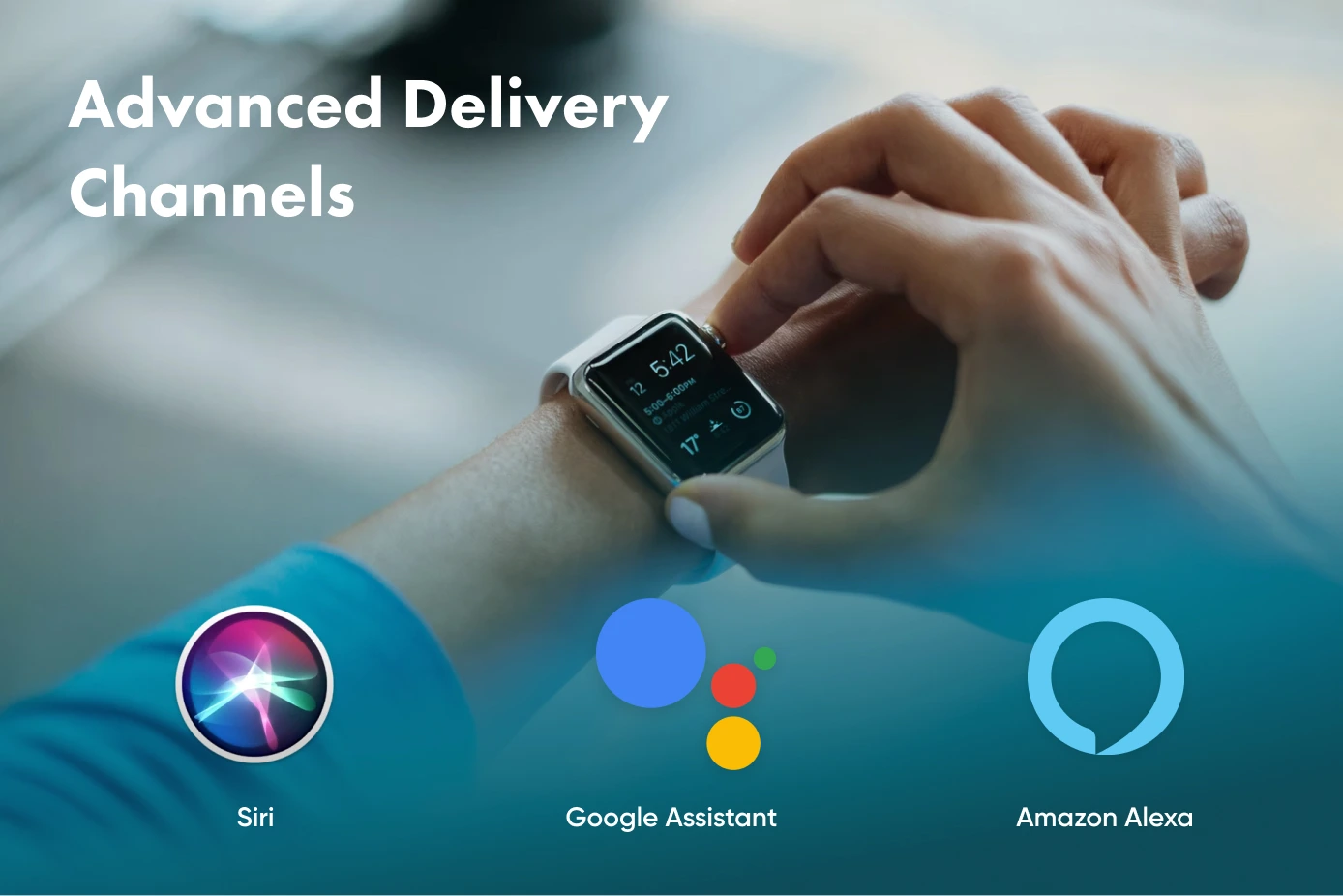
These include apps for wearables such as smartwatches. Voice assistants such as Alexa, Siri and Google Assistant are another ordering channel. The Grubhub food delivery service has integrated with Alexa and other virtual assistant providers to take orders. In 2015–2016, Domino’s let customers reorder by tweeting a pizza emoji or texting, and launched an ordering bot on Facebook Messenger.
In-car systems can also take orders, so drivers can order dinner on their way home. In 2015, Visa, Pizza Hut and Accenture tested a proof-of-concept connected car that let drivers order and pay for pizza from the dashboard.
To build a food delivery service, contact Go Wombat.
Key Trends In Food Delivery
Contracted-Out Delivery
Many food businesses outsource delivery to third-party platforms, so they do not need their own delivery staff and vehicles. These platforms use local drivers and bicycle couriers who commit to delivering orders within a set time.
In-house Delivery Fleets
Other restaurants set up their own delivery fleets instead, which gives them more control over the service. Running a fleet takes delivery dispatch software and other delivery management systems that assign drivers to orders automatically and track their performance.
Go Wombat can build this kind of software for you.
Delivery Data Analysis
Food delivery service trends include the use of Big Data for monitoring delivery operations. For example, in 2019 McDonald’s bought Dynamic Yield, a personalisation start-up, to personalise its drive-thru menus with data; in 2022 it sold the company to Mastercard.
Delivery data shows where operations are slow or costly, so restaurants can fix weak points early.
Grocery and Meals Ready To Cook
Grocery shops stayed open during the pandemic because they sell essential products, but all but the smallest needed an online presence to stay competitive, usually an online grocery delivery website.
Online ordering and delivery let customers avoid store visits. Customers also expect convenience and flexibility, so many grocers had to scale up their operations.
Customised meal kits also grew in popularity. Customers subscribe to a delivery service and choose dishes and cuisines by ingredient without leaving home.
If you need an on-demand delivery website, contact us.
Virtual Kitchens
Virtual kitchens are delivery-only restaurants with no dining space: the owner needs a kitchen but no front-of-house staff or premises. That keeps costs down for a new business, but the model depends on a good ordering website.
Contactless Delivery
During the pandemic, customers wanted to avoid unnecessary face-to-face contact, and contactless delivery, where couriers leave orders at the customer’s door, became routine in many countries.
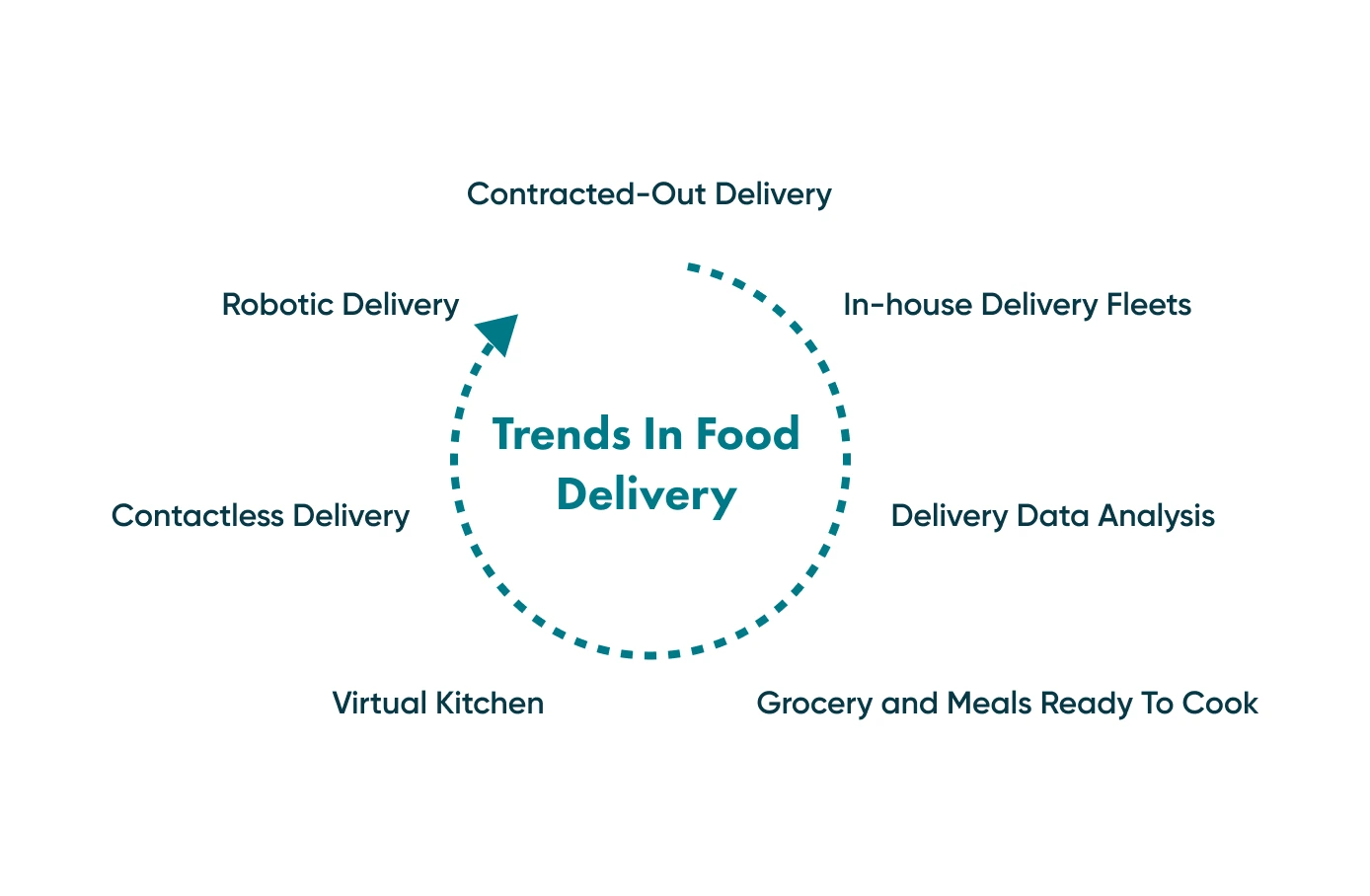
Robotic Delivery
Robotic delivery covers drones, ground robots and self-driving cars.
Drone
Delivery by drone avoids ground-level delays such as traffic. In 2019, Zomato tested food delivery by drone, covering 5 km in about 10 minutes, after acquiring drone start-up TechEagle.
Robot
Artificial Intelligence (AI) allows food businesses to use robots for delivery. For example, in January 2017, DoorDash began testing Starship Technologies’ sidewalk delivery robots in California. Robots are relatively cheap to run but do need regular maintenance and are potentially vulnerable to damage or malicious attack.
Self-driving car
DoorDash tested self-driving meal deliveries in San Francisco with Cruise, General Motors’ autonomous-vehicle subsidiary, but GM stopped funding Cruise in December 2024.
Keeping Up With The Food Delivery Industry Trends
Go Wombat builds software for hospitality, AdTech, healthcare and other industries.
Contact us about your food delivery project.
Share and subscribe to our blog
Related articles

10 Key Software Development Trends In 2022
The software development trends we expected to matter most in 2022, from automation and AI to blockchain and PWAs, and what they mean for custom software.

How Do You Build an Online Hotel Booking System in 2026?
How to build an online hotel booking system in 2026: in-house versus marketplace, the features guests and staff use, useful APIs, security and cost.

Current Trends in The Hospitality Industry
Technology trends in the hospitality industry since the COVID-19 pandemic: automation, feedback and task management, chatbots, mobile check-in, IoT and AI.

How can we help you?

