



Essential Things To Consider When Building A Travel Website

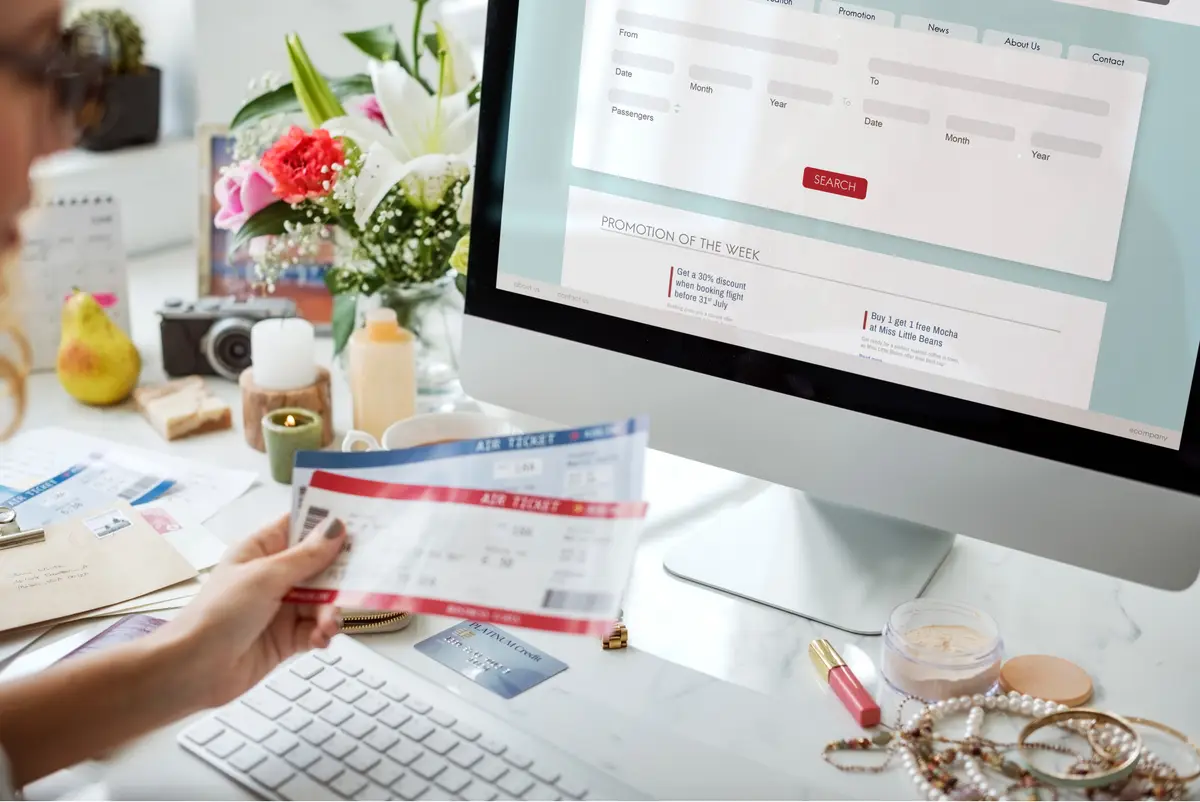
Travellers research and book trips online, so for hotels, restaurants and travel agencies the website is a core sales channel. This article covers the types of travel websites, why they matter, revenue models and practical tips for building one.
The Purpose Of Travel Websites
A travel website gives travellers information about destinations when they plan a trip. More and more of this research happens on mobile devices, and some travel sites use progressive web apps (PWA) to improve the experience.
Travel agencies and hotels use these websites to let tourists book rooms, transport or tours. The main purpose is to make research and booking simpler.
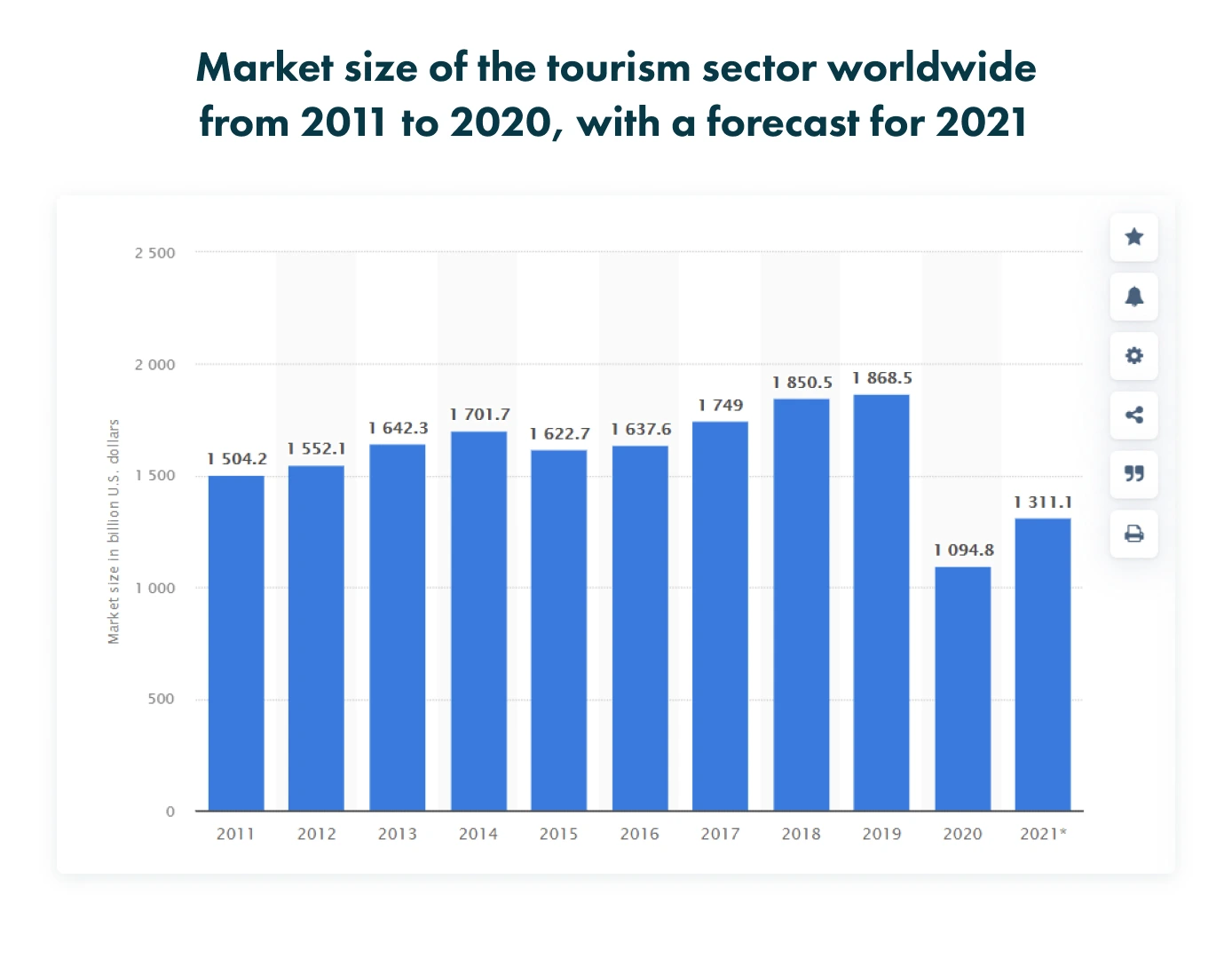
According to Statista, the global tourism market shrank sharply in 2020 during the pandemic but had recovered to just under $2 trillion by 2023, above its 2019 level.
Types Of Travel Websites
The most common types are these.
Transfer website.
A website where users compare ways to get from point A to point B by transport type (train, plane, bus), price, distance, time and date.
Booking website.
Booking websites are either a hotel's own site for room reservations or a marketplace, such as Booking.com, that lists hotels worldwide.
Read more in our article on hotel booking website development.
Food delivery/restaurant booking.
Travellers look for good local places to eat, so restaurant and food delivery websites let them book a table or order delivery online. See our articles on food delivery trends and food delivery website development.
Aggregators.
An all-in-one site where users search and compare flights, tours, cruises and hotels. Kayak is an example.
Two niches are also worth a look. The first is the workation, a combination of work and holiday: people travel for a change of scenery but keep working. A travel website can select trips that suit it.
The second is domestic tourism: trips within the traveller's own country. A website can recommend the best places to visit close to home.
To build a travel website, contact us.
Why Is a Travel Website Important?
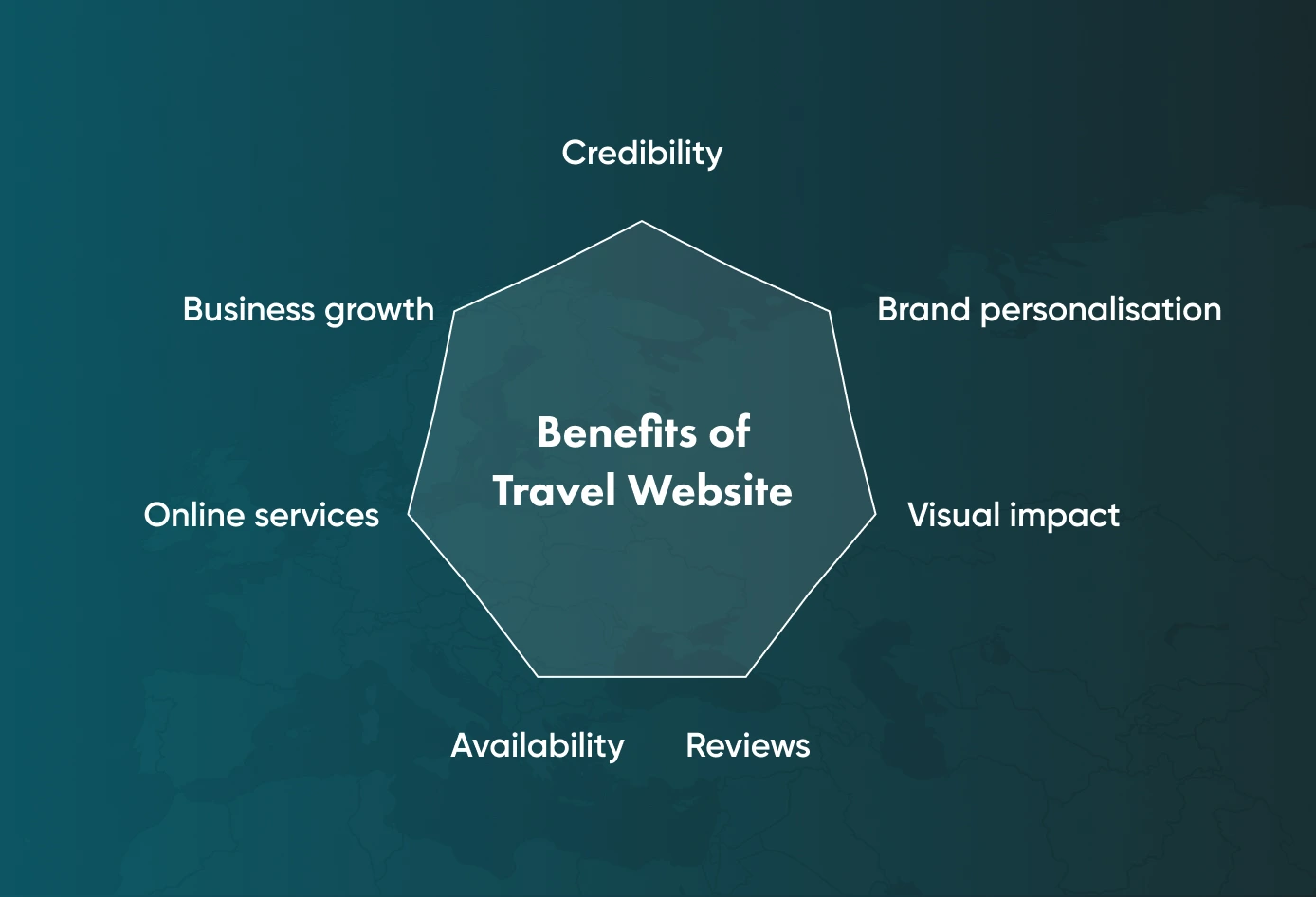
Credibility
Travellers check a company online before paying. Without a website, a travel business gives them little reason to trust it, while a good site helps build lasting relationships with customers.
Brand personalisation
A website lets you present your brand your way, which helps travellers remember you and come back.
Visual impact
First impressions matter, and images catch visitors' attention faster than text. Use real photos of destinations and rooms on your listing pages.
Reviews
Tourists want to know who they are dealing with. Reviews from other customers help visitors decide and turn them into customers.
Availability
A website works 24/7 and gives users up-to-date information whenever they visit. A chatbot can cover the night hours, while a human support team handles requests during business hours.
Online services
Whatever type of travel website you build, let users book online: reservations, tours, flights and related services.
Travel Website Revenue Models
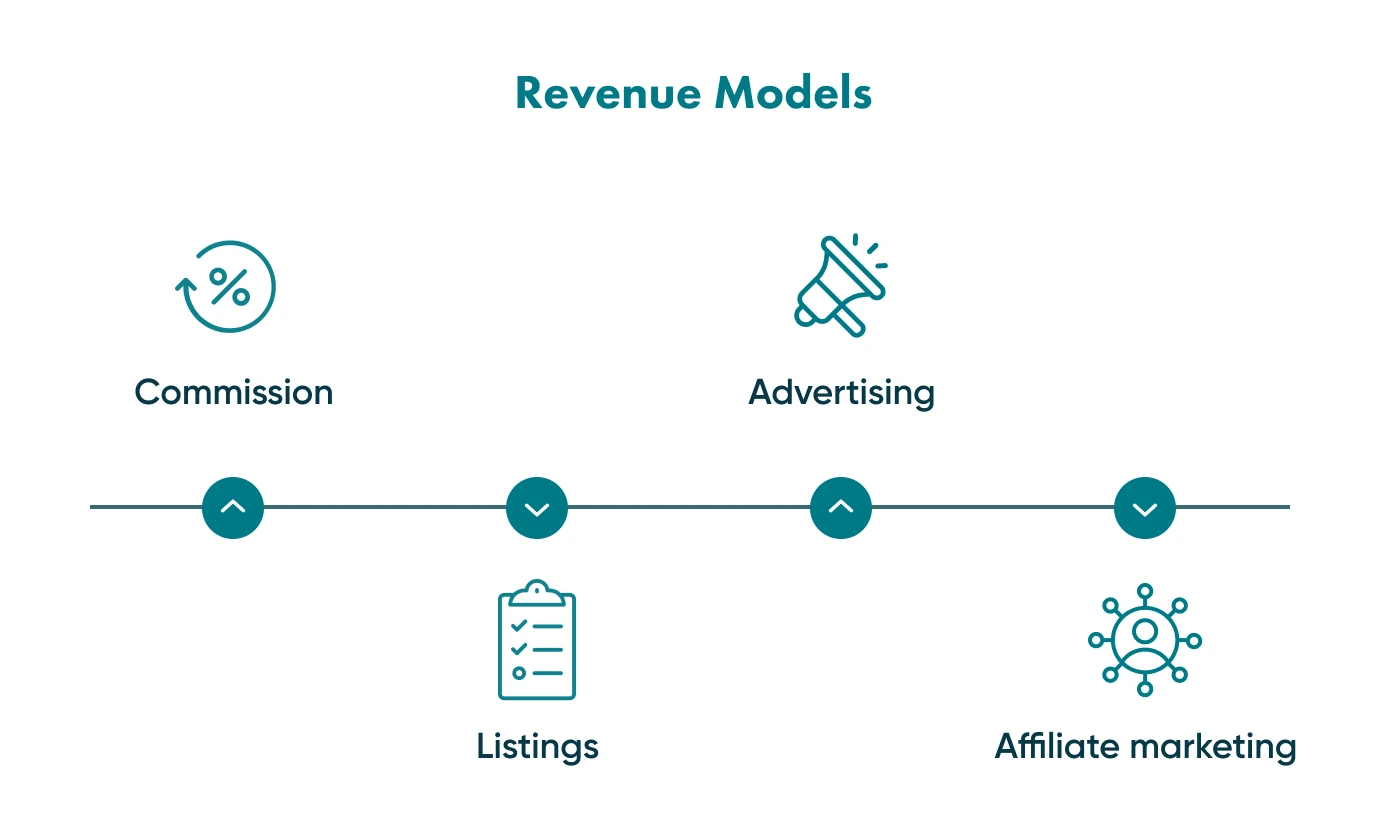
The right revenue model depends on what your website does. The common options are:
Commission
If your platform handles hotel bookings or tour reservations, it acts as an intermediary between the customer and the service provider and earns a commission on each order. The rate is agreed with each provider.
Listings
Travel service providers pay for premium listings that give them higher visibility.
Advertising
You can sell advertising space on your website or run email campaigns for third-party travel agencies. Don't overload the site with ads, though: they irritate users.
Affiliate marketing
Place links to partners' travel services on your site and earn a commission when a visitor books through them.
To discuss your travel website, contact Go Wombat.
Helpful Tips For Building A Travel Website
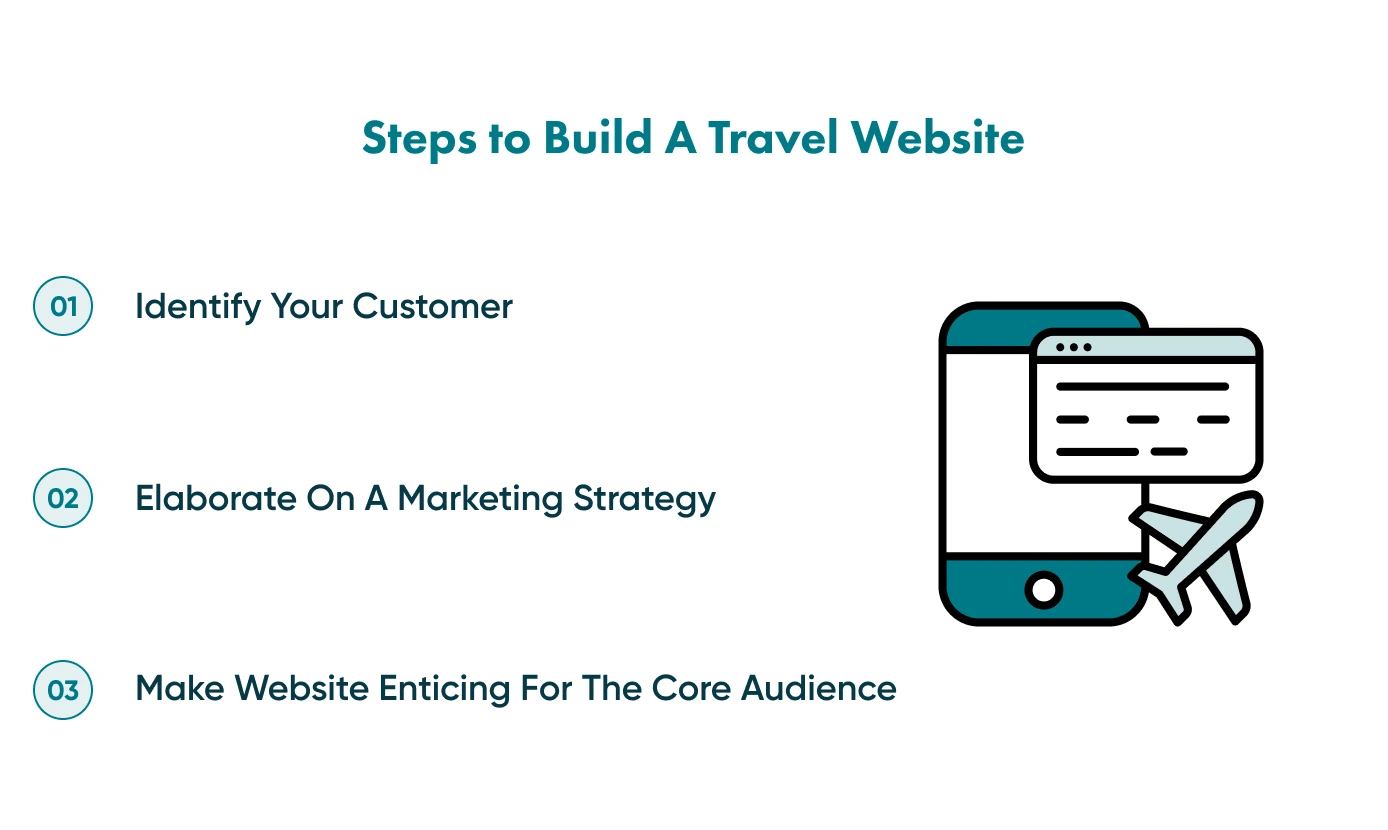
These steps help you plan a travel website before development starts.
Identify Your Customer
Start by defining your core audience: analyse the travel market, understand your typical customer and work out which of their problems your website will solve.
Decide, too, whether the service is for a local market or a global one.
Elaborate On A Marketing Strategy
Plan how you will promote the site. Set KPIs for a fixed period, such as six months, and study how competitors promote themselves to find methods worth testing.
A clear marketing plan also makes the budget easier to estimate.
Tailor The Website To The Core Audience
Let the audience profile drive every decision, from navigation structure and device support to the tone of your copy. A family planning a two-week holiday expects something different from a solo backpacker or a corporate travel manager, and a site built for everyone tends to convert no one.
Detailed Information
Give precise trip details: hotels, flights, location, travel dates and price ranges.
Serve as a tour guide
Describe each destination you sell tours for and explain, with photos and videos, why it is worth visiting.
Share travel deals
Discounts on last-minute tours attract price-conscious visitors.
Provide helpful tips
A first trip to a new country can be stressful. Practical information about local culture and language helps.
For more details, contact us.
Share and subscribe to our blog
Related articles

How Do You Build an Online Hotel Booking System in 2026?
How to build an online hotel booking system in 2026: in-house versus marketplace, the features guests and staff use, useful APIs, security and cost.

How To Make A Food Delivery Website in 2022
How to build a food delivery website: the three business models, the features customers and restaurants need, and the steps from market research to launch.

Why Is the Digital Twin of an Oil Refinery the Most Complex AI System You Will Ever Build?
Why a digital twin of an oil refinery is so hard to build: seven interdependent layers from physics simulation to control system integration, results from Cosmo Oil's refinery digital twin, a look at Honeywell's planned digital-twin work at the Dangote refinery, team and data prerequisites, and why projects fail.

How can we help you?

