


Under budgeting
In the first discovery phase steps, our team sets the scope and defines the tasks required to complete the project. This makes the budget realistic and includes potential setbacks in your cost projections.

AI Solutions & Services

Build

Secure & Comply

Design & Discovery
Not sure where to start with AI?
Check your readiness in a few minutes.
BIG 4 · SOLUTIONS-LED

Industry 4.0 & AgTech

AdTech & MarTech

Smart Cities & PropTech

SportsTech & Entertainment
Not sure where to start with AI?
Check your readiness in a few minutes.
 About Go WombatOur company, expertise and leadership
 CareersOpen roles and opportunities at Go Wombat
 Our CultureValues, collaboration and life at Go Wombat
 PartnershipTechnology and delivery partnerships
 Impact & SustainabilityOur social and environmental commitments
 Sustainability ReportOur sustainable development initiatives and annual report
Clarify your project scope, technical risks and budget assumptions before development. Bring your business goal, existing systems and target timeline; we will discuss what needs to be validated and how to plan the next step.
Discuss your project scopeOur discovery phase service for software development is for organisations that have a business goal but no agreed scope, architecture or budget yet. In two to four weeks you get a costed plan and a clear picture of the risks.
Software projects often run into setbacks because of poor planning, and these mistakes are expensive to fix later.
Our developers build software from the ground up, so they know how much depends on the work done before coding starts.
Discovery fixes scope, architecture and budget before the first sprint, so estimates rest on facts rather than guesses. It gives everyone a map of the territory and an agreed picture of what you are going to build.
Getting this stage of project initiation right saves money and trouble later.
Without a proper initial road map, you might end up with a product that doesn’t cover all your needs or paying for unnecessary functionality. And a poorly defined project from the outset will likely lead to cost and time overruns.
A study of 5,400 IT projects by McKinsey and the University of Oxford found that half of large IT projects (budgets over $15 million) massively exceed their budgets, and that large IT projects run 45% over budget on average. To reduce this risk, Go Wombat can partner with you from the discovery phase.
We bring an outside, technical view of your project and help you decide what it needs and what it does not.
Incorrect estimations of resources
Lack of vision for the project
Lack of clear risk assessment
Exceeding budget expectations
Lack of clear planning
At this initial stage of a software project, information is gathered in order to give all parties involved an in-depth understanding of your business, the project, and the target audience.
We look at both your expectations of the product and those of its end users. The main aim of discovery phase analysis is an accurate quote for the budget and timeline.
At this stage you can also check whether the project is worth building and, if it is, define the steps to build it.
The discovery phase defines the problems your software needs to solve and the features it needs to solve them.
From there, our team lists the resources, risks and tasks needed to complete the project on time.
The details vary by project, but these are the basic discovery phase steps we follow:
Projects sometimes start without clearly defined objectives.
An outside view helps define them. We look at your goals from a different angle and help you turn them into clear objectives.
Projects sometimes start without clearly defined objectives.
An outside view helps define them. We look at your goals from a different angle and help you turn them into clear objectives.
We gather and analyse data on potential users, your organisation and the market. This analysis decides which features to include and shapes the project plan.
We also design the technical solution, so you receive a detailed architecture of the future product.
Throughout the process we document everything, so everyone involved shares the same understanding of the software, its features and the plan.
The discovery phase works like a map. You can reach your destination without one, but it usually takes more time and effort, and you may not end up exactly where you need to be. During discovery we map out the path, taking into account cost, potential challenges and business benefits. These are some of the main challenges it helps you find and solve early on.
In the first discovery phase steps, our team sets the scope and defines the tasks required to complete the project. This makes the budget realistic and includes potential setbacks in your cost projections.
The project discovery phase answers practical questions up front: how many developers will work on your project, when you will receive the first deliverables and what they will include. Everyone starts with the same expectations.
We learn what your users need to do with the software, list the functionality, separate what is essential from what can wait, and avoid building features nobody will use.
You cannot assess risks properly without understanding the tasks involved. Discovery identifies the main risks early and gives you a contingency plan for the most likely setbacks.
Generally, you should leave the discovery phase with a set of documentation detailing such aspects as the estimate, user flow, and architecture.
Go Wombat's discovery phase deliverables include:


The discovery phase usually takes two to four weeks, depending on your requirements.
The team varies by project, but it can include these roles:
Once the business analysis and project initiation are done, our team creates wireframes, builds documentation and assigns responsibilities for each feature.
The same experts who prepare your discovery phase deliverables then build your software, so nothing is lost in the handover.
Tell us about your project
After the discovery phase, you should have a clear understanding of:
You will know who your end users are, what problems they have and what they need.
You will know how the new software should improve your organisation in the short and long term.
You will see where your current processes and systems stand and which areas need improvement.
You will know whether competitors have built similar solutions and, where the information is public, which technologies they used.
You will have clear success criteria for your software, so you can measure its performance.
You will have the architecture of your software solution and know how it should be built.
You will know the scope of the project, how it will be built and approximately how long it will take.
Take a look at projects where scoping the work up front shaped what we built.
Oil and gas management software
January 2016 - November 2018
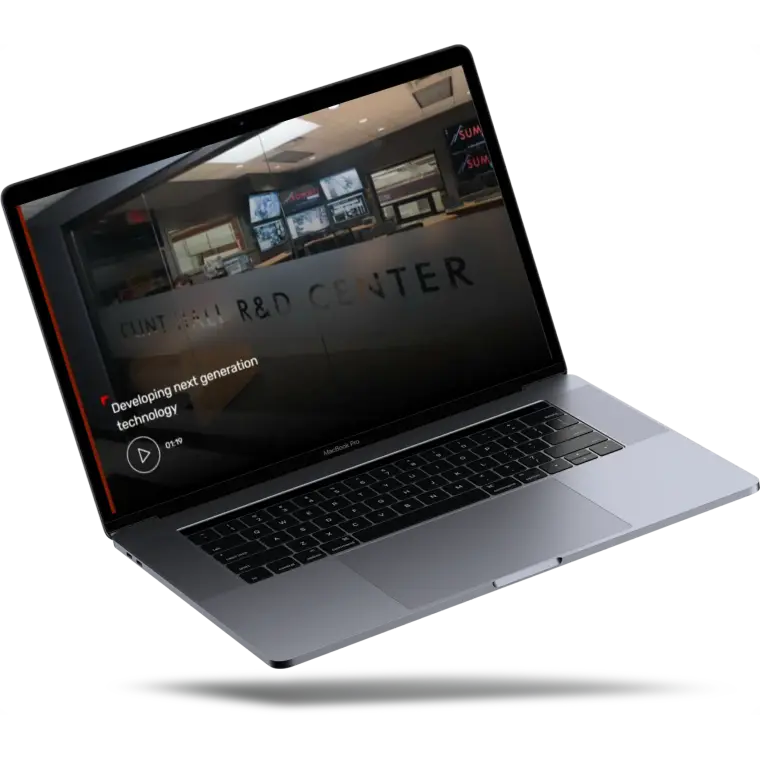
The Oil Well SCADA System is monitoring software for integrated electric submersible (ESP) and surface pumping (HPS) systems. It gives engineers real-time data on each well and helps them optimise daily well production and total reservoir recovery. The client, an oilfield services company, provides ESP and HPS application engineering, equipment design, reliability engineering, equipment service and installation, equipment testing and repair, well testing, mobile test trailers, and cable spooling and repair.
Quality control automation system
February 2021 - Ongoing
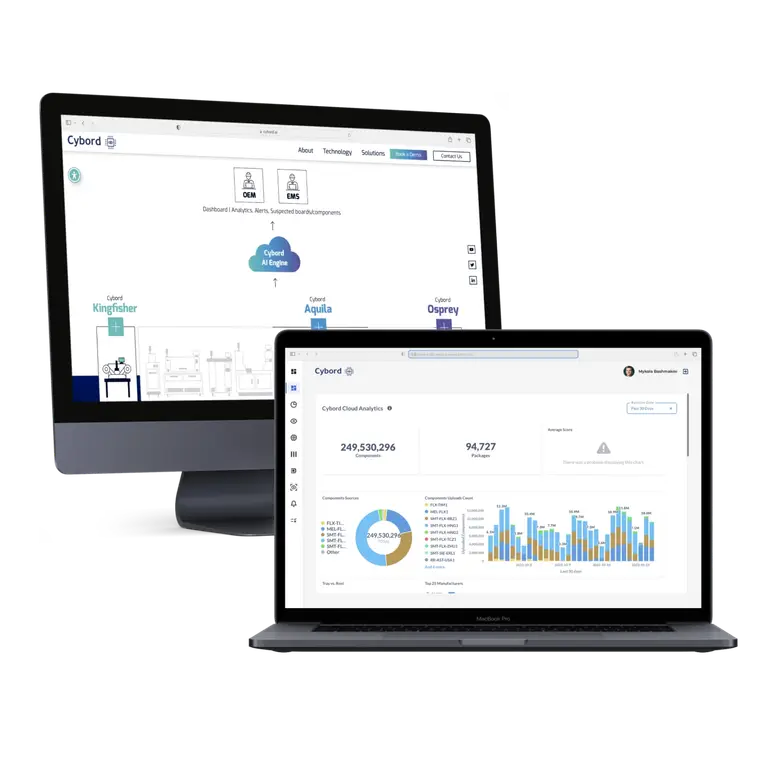
Cybord removes counterfeit and defective components from production lines. Its technology uses AI and big data to identify counterfeit, defective and tampered components, including hardware-based cybersecurity threats. Defects are detected during component placement and before reflow, which makes rework simpler and products more reliable. Integration with manufacturing execution systems quarantines nonconforming materials so they cannot be used.
March 2020 - Ongoing
Demco is a large equipment manufacturer in the US. It produces agricultural equipment, semi-trailers, trailer components and RV towing products. Go Wombat built a CRM system that improved communication between Demco, its dealers and their customers. Demco already used an ERP system for internal business processes, but not for the interaction between dealers and customers.

The discovery phase is the first phase of a software development project when planning and business analysis occurs. During this time, the project team gathers information to understand the project requirements, constraints, and objectives. The discovery phase helps to define the scope of the project and identify any potential risks or challenges.
During the discovery phase, the project team may provide a variety of services including:
Stakeholder interviews to collect different perspectives on the project's needs and goals
Requirements gathering
Risk assessment
Feasibility analysis, which can give you insight into whether the project is technically and financially feasible
Scope definition, in which you and the service provider decide what’s to be included and excluded in the project
It depends on the size and complexity of the project. Discovery usually takes two to four weeks, and very large projects can take longer.
The discovery phase typically involves the project team, including the project manager, business analysts, developers, and subject-matter experts. The project team may also involve stakeholders, such as the client or end-users, to gather their input and ensure that the project meets their needs and goals.
The output of the discovery phase is a detailed project plan that usually includes the scope of the project, project objectives, requirements, risks, and a proposed timeline and budget. The project plan serves as a roadmap for the rest of the project and helps the project team stay on track and meet the project goals.
Every software development project needs research before development starts.
The discovery phase makes development more predictable: the budget estimate is more accurate, and the team does not spend time on work the project does not need.
Tell us about your project to find out how our discovery phase services can help.


