



Continuous Security Monitoring (CSM)


What is it and how can your business benefit from it?
Continuous security monitoring (CSM) helps companies detect threats to their data before they turn into breaches, and breaches are expensive. According to IBM's 2026 Cost of a Data Breach study, healthcare is still the most expensive sector, with an average cost of US$6.64 million per breach, down from US$10.1 million in 2022. The global average across all sectors is almost US$5 million.
The damage depends on the industry and the size of the company, but a breach usually hits reputation, investor interest and customer retention at the same time.
A responsible approach to cyber security prevents many of these losses. This article explains what CSM is, what it tracks and how to implement it.
To find out how CSM can help your business, give us a call.
What Is Continuous Security Monitoring (CSM)?
Continuous security monitoring is the constant, automated tracking of your IT infrastructure for threats to sensitive data.
Even the best information security policy and risk management cannot guarantee that nothing leaks. CSM helps you spot problems before they affect sensitive data.
Traditional tools such as firewalls and antivirus software guard the perimeter, and penetration tests check security at a single point in time. CSM watches what happens in between.
New vulnerabilities are added to the Common Vulnerabilities and Exposures (CVE) list every day, so even a reasonably secure infrastructure can become exposed overnight.
The security vendor UpGuard divides the attack surface that CSM should cover into four categories: known assets, unknown assets, rogue assets and vendors. Each offers attackers a different route to corporate data, so your cybersecurity monitoring has to cover all four.
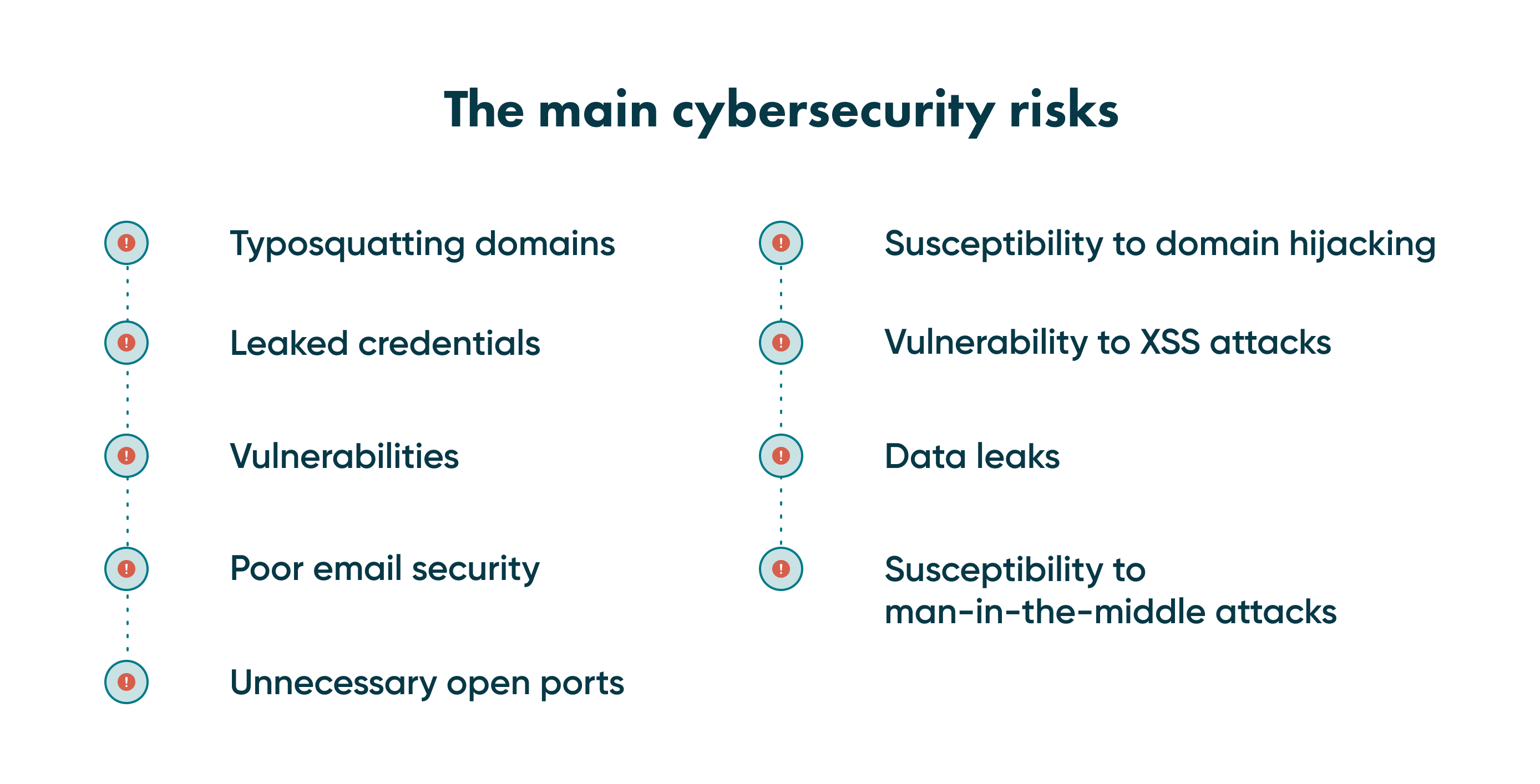
What they have in common is how attackers get in: in most data breaches, through human error or entry points that nobody was watching.
Why is continuous monitoring an important element of security?
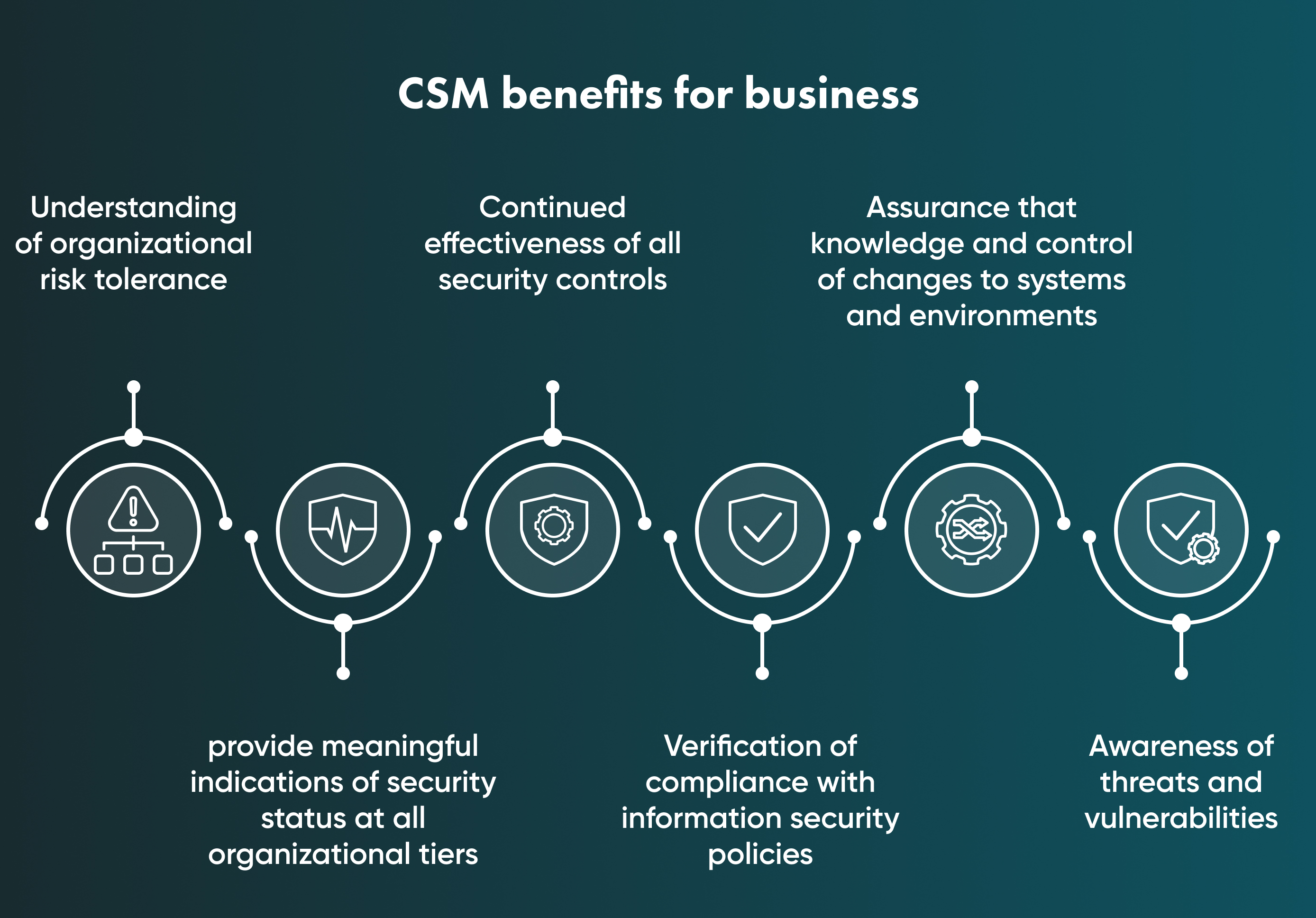
Cover short-lived cloud workloads
Attackers constantly look for weaknesses, and cloud workloads are a frequent target.
Many cloud workloads run only for a short time. However briefly a workload exists, it needs monitoring, so that vulnerabilities are found before attackers gain a foothold in your environment.
Protect sensitive data
CSM matters to every organisation that stores its clients' data digitally. The highest priority is personally identifiable information (PII) and protected health information (PHI).
24/7 protection
Monitoring runs around the clock, so a misconfiguration made at 3 a.m. is flagged at 3 a.m., not on Monday morning.
Discover Security Risks
CSM gives real-time visibility into your whole cloud infrastructure. Security teams can then find and fix issues caused by people and by systems faster, such as unauthorised data access, misconfigured cloud controls and excessive permissions. Signals such as indicators of exploitation show where to act first.
Increase Visibility and Transparency of a Network
Continuous monitoring makes network activity visible and accountable, especially suspicious activity that could indicate a breach. Early warnings trigger a quick response and lower the risk of a successful attack.
How Does Continuous Security Monitoring Work?
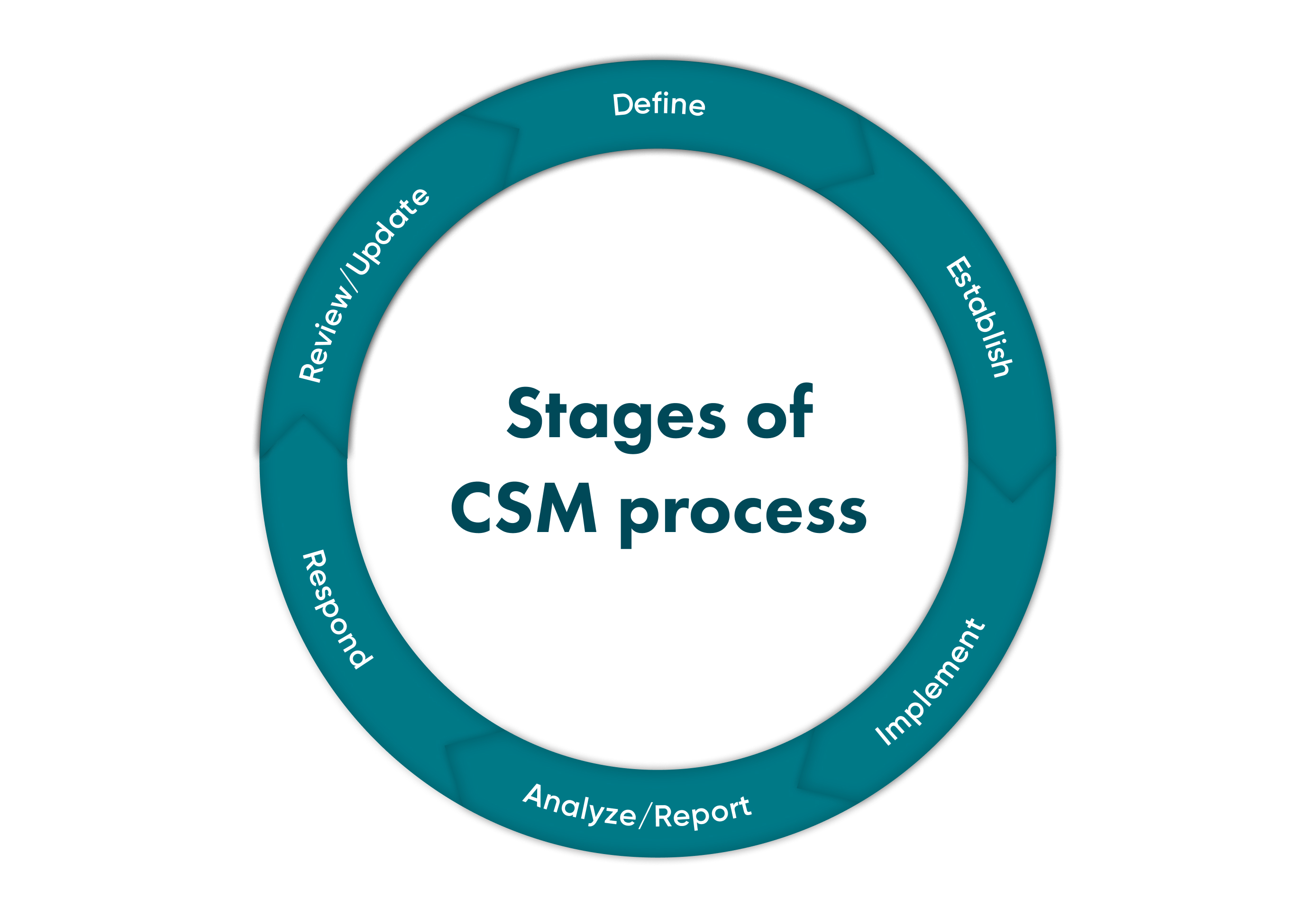
The US National Institute of Standards and Technology (NIST) calls this practice information security continuous monitoring (ISCM). NIST's guidance rests on the following principles:
- Integration of risk management and information security.
- Situational awareness of both the organisation's IT systems and its vendors' systems.
- Understanding threats and threat activity.
- Security control assessment.
- Collection, correlation and analysis of security-related information.
- Clear communication about security status across all departments.
- Active risk management by senior leadership.
Read more about risk management in our previous article on the cybersecurity cycle.
What can CSM track?
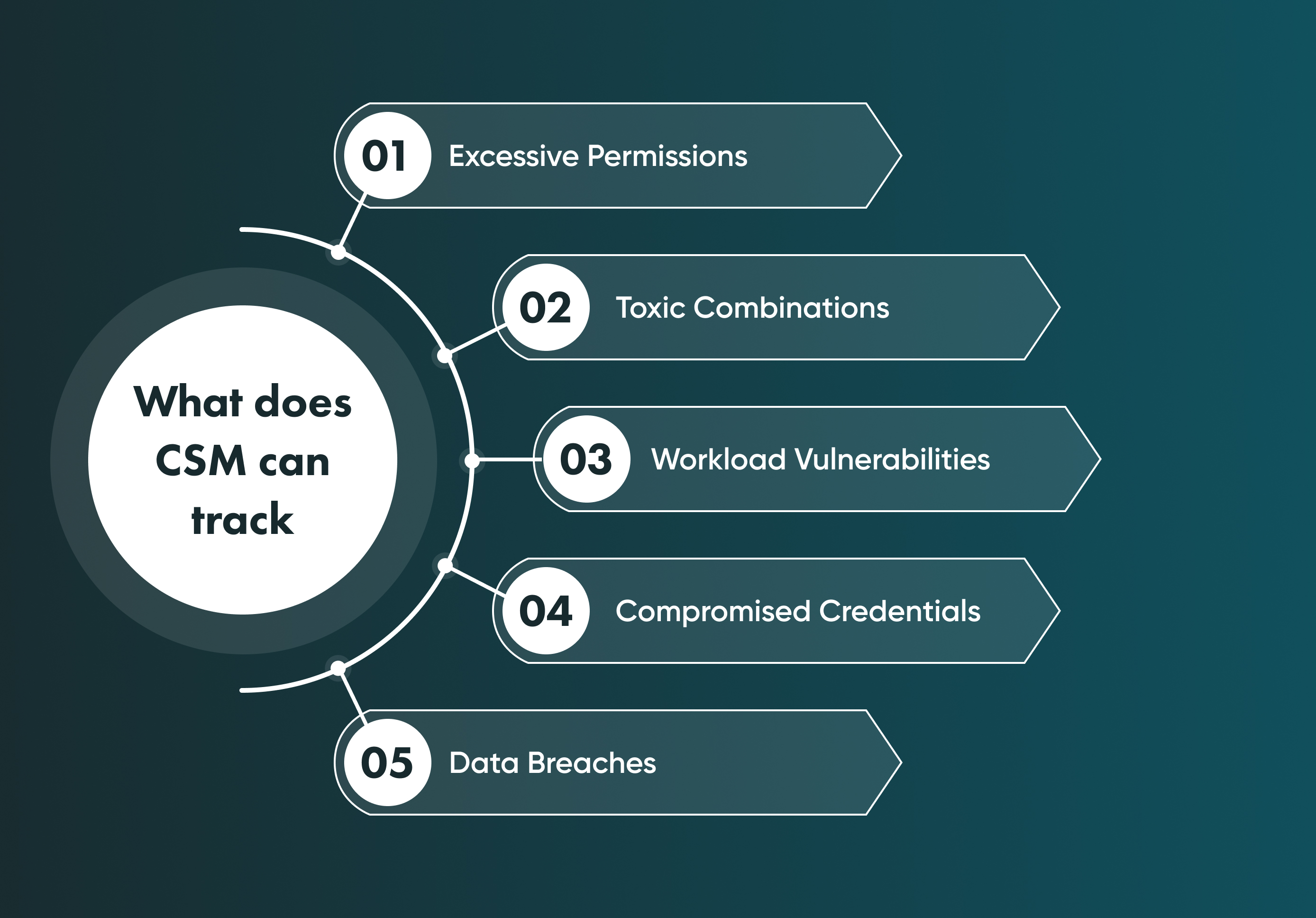
Excessive Permissions
Permissions granted to software can have side effects. Apps need some data to provide their service, and that is where the risk lies.
Some apps and services get permissions to data they do not need. Knowing which permissions have been granted helps prevent data theft and the installation of malicious software.
Toxic Combinations
A toxic combination is a set of individually harmless settings or permissions that together create a serious risk. Finding them manually across a network and IT infrastructure takes a lot of time and attention, and their consequences are hard to predict.
For example, one person holding access rights that should be split between roles can approve their own risky changes. CSM tools can detect such combinations.
Compromised Credentials
Credentials are often compromised through sharing, weak passwords or attacks such as phishing. An attacker with stolen credentials can reach confidential information and use the account's privileges.
CSM picks up this atypical behaviour and alerts you, which can give you time to stop a breach.
Data Breaches
Data spread across several cloud environments is hard to track, and without real-time visibility it is easy to miss a leak. Security monitoring with real-time visibility shows every data transfer and flags data that has moved somewhere it should not be.
How to implement Continuous Security Monitoring?
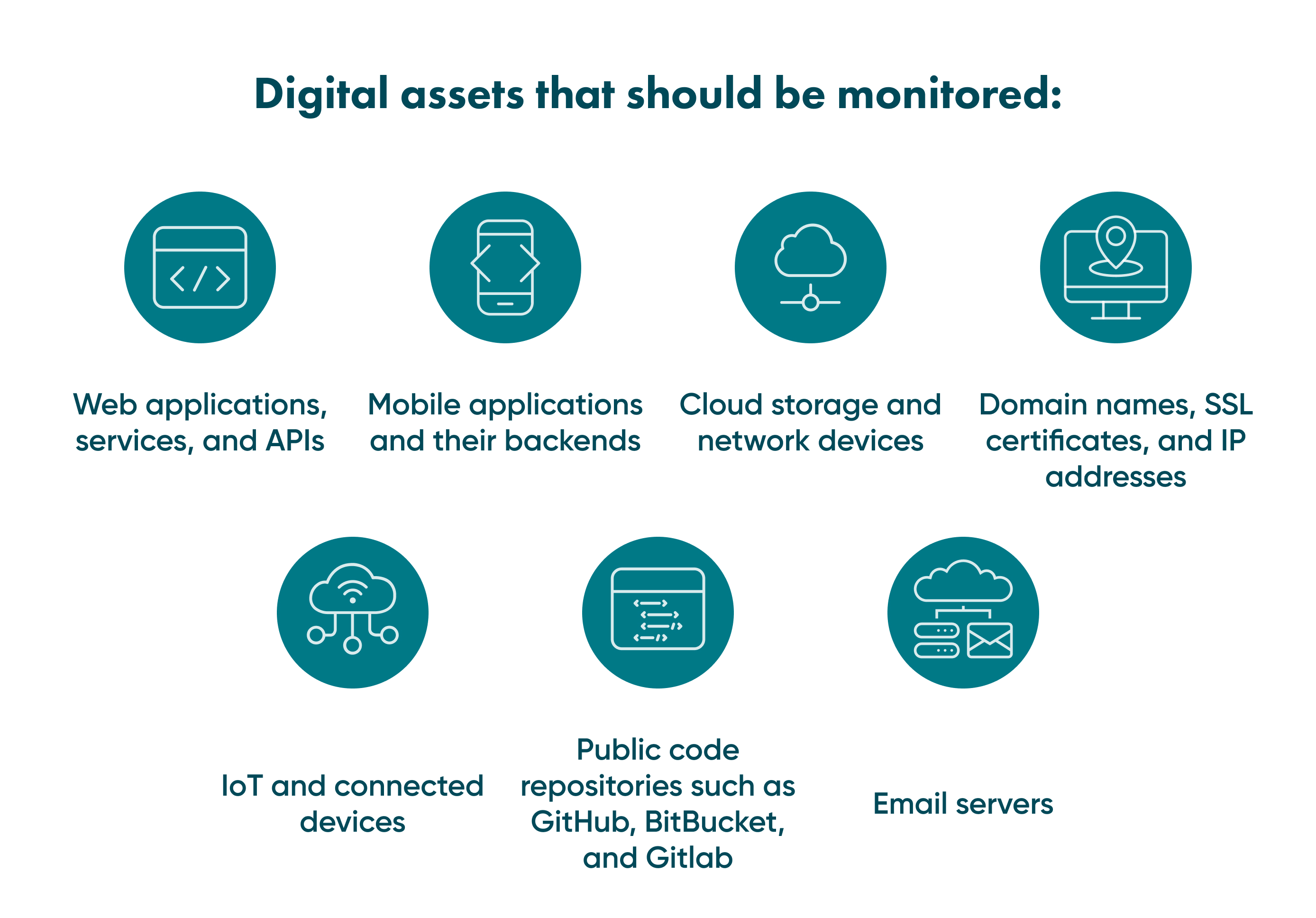
Identify your data
Map where your data could leak, then decide which data types are the most sensitive and need monitoring first.
Consider both external and internal threats: cybercriminals and people inside your company. One key employee with access to critical data and weak security habits can cause a major leak.
Identify your users' behaviour
Most internal damage comes from carelessness or lack of knowledge, but insiders sometimes steal data and sell it to third parties.
This happens when nobody reviews, monitors or restricts employees' access to sensitive information.
Set a strong auto-discovery process
Automate asset and threat discovery instead of relying on manual checks, which also reduces human error. AI-based analysis, attack detection software and web crawling help detect threats to your network before they cause a leak, including malicious traffic from unknown IP addresses.
Keep track of your endpoints
Monitor every endpoint and device in use. Endpoint monitoring is a core CSM practice for finding and preventing attacks.
Conclusion
CSM gives your business constant security control and tracking of potential threats. Its main benefit is time: it shortens the gap between a vulnerability appearing and your team fixing it, ideally before attackers can use it.
Because it examines your security architecture continuously, CSM also shows whether you follow your internal information security policies, day to day and after every change.
Setting up CSM takes a qualified team of developers, testers and other specialists, and Go Wombat can provide one. Contact us for details.
Share and subscribe to our blog
Related articles

Cloud Data Security: Protecting Sensitive Data
What cloud data security covers in private, public and hybrid clouds, why the Capital One, Uber and Accenture incidents happened, and the controls that prevent them.

6 GDPR Compliance Principles You Need to Master
Organisations may face serious financial, legal, and reputational risk if they do not comprehend and implement GDPR compliance principles. GDPR requirements adherence is a board level concern rather than just legal, technical and organisat…

The Importance of Cybersecurity for SMEs
Why hackers target small and medium-sized businesses, the most common threats, and practical steps to improve cybersecurity for SMEs.

How can we help you ?