Custom backend development
We build custom backends for business software such as CRMs, ERPs and other platforms, designed around your requirements.

AI Solutions & Services

Build

Secure & Comply

Design & Discovery
Not sure where to start with AI?
Check your readiness in a few minutes.
BIG 4 · SOLUTIONS-LED

Industry 4.0 & AgTech

AdTech & MarTech

Smart Cities & PropTech

SportsTech & Entertainment
Not sure where to start with AI?
Check your readiness in a few minutes.
 About Go WombatOur company, expertise and leadership
 CareersOpen roles and opportunities at Go Wombat
 Our CultureValues, collaboration and life at Go Wombat
 PartnershipTechnology and delivery partnerships
 Impact & SustainabilityOur social and environmental commitments
 Sustainability ReportOur sustainable development initiatives and annual report
Secure, scalable backends, APIs and integrations for web and mobile products, built to handle growth and easy for your team to maintain.
Discuss your backend project
Go Wombat builds backend systems from scratch and extends existing ones. Our backend developers can work with your current front end or take on the whole development process.
We build custom backends for business software such as CRMs, ERPs and other platforms, designed around your requirements.

We build web application backends with performance and security in mind, so your team can use the software safely from anywhere.

Mobile apps need a backend that handles APIs, data sync and notifications reliably. We build backends for mobile applications, so your app has a solid foundation.

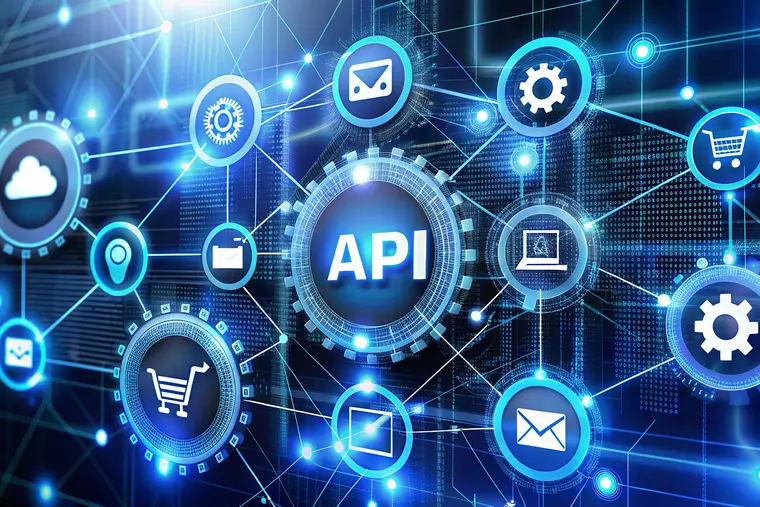
Extend your current software or connect it to third-party services with a custom API built for performance and stability.

We set up cloud infrastructure for heavy loads, scaling and big data processing, and migrate existing systems to the cloud.

Our backend audits find bottlenecks; we then restructure the architecture and refactor the code. We can overhaul your infrastructure while keeping the front end intact.

Backends that collect signals from sensors on devices or industrial equipment, manage your IoT fleet, analyse the incoming data and connect it to your business workflows.
We build custom backends for business software such as CRMs, ERPs and other platforms, designed around your requirements.
We build web application backends with performance and security in mind, so your team can use the software safely from anywhere.
Mobile apps need a backend that handles APIs, data sync and notifications reliably. We build backends for mobile applications, so your app has a solid foundation.
Extend your current software or connect it to third-party services with a custom API built for performance and stability.
We set up cloud infrastructure for heavy loads, scaling and big data processing, and migrate existing systems to the cloud.
Our backend audits find bottlenecks; we then restructure the architecture and refactor the code. We can overhaul your infrastructure while keeping the front end intact.
Backends that collect signals from sensors on devices or industrial equipment, manage your IoT fleet, analyse the incoming data and connect it to your business workflows.
With more than 10 years of backend development experience, we take projects through every stage of the software development life cycle, from the Discovery Phase to ongoing support and maintenance. It starts with a consultation.
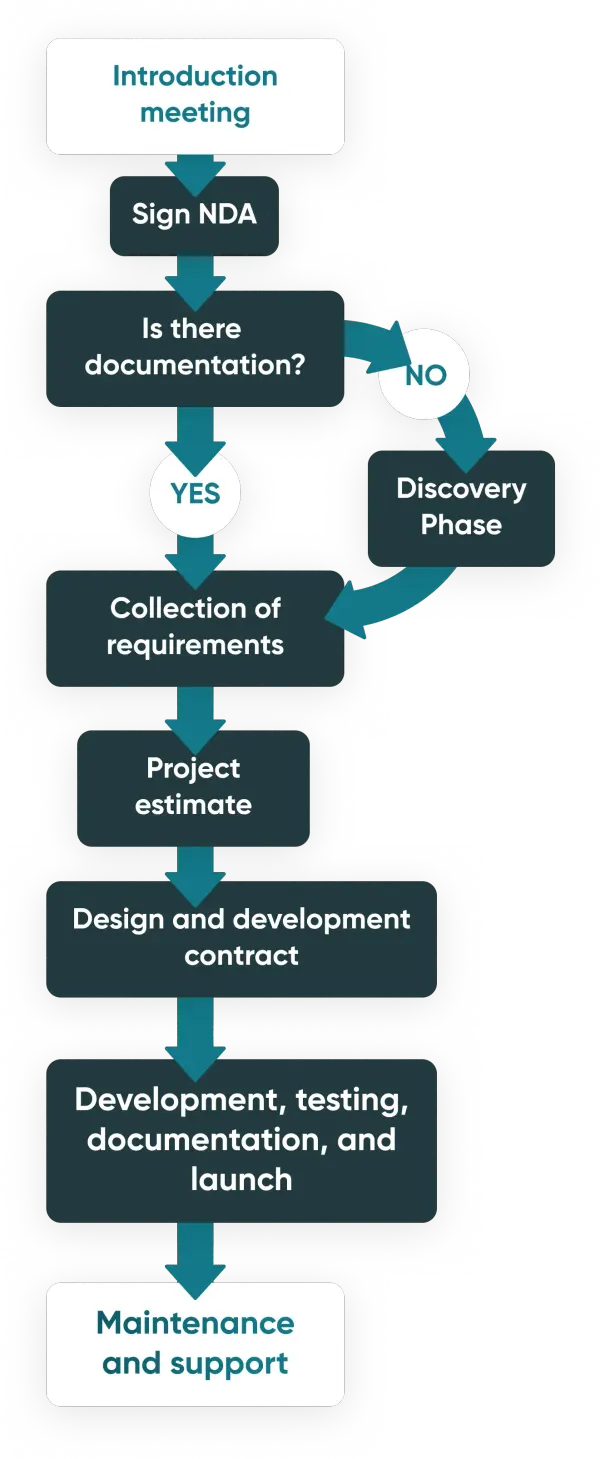
Whether you work in logistics, manufacturing, marketing or another industry, you need a partner who understands your business and can build the backend it depends on. For more than 10 years, Go Wombat has built backend solutions and complete software platforms for clients in many industries. Here is how we can work with you.
Outsource as much or as little of your backend development as you need, and add developers as the project grows while keeping control of budget and timeline.
Card 1 of 3: Outsourced backend development
Software works properly only if the logic and architecture on the back end are right. We design them around your requirements and cover integration and support.
We work closely with frontend developers, build custom APIs and load-test the system so it performs well under real traffic.
Our main backend stack:

Python is Go Wombat's main backend language. We use it to build complex software, including AI features, and it lets us implement quickly and integrate with many web services.

One of the most popular Python frameworks, with built-in security features and an admin panel. It is our go-to framework for mobile app backends.

A Python framework for high-performance APIs, which we use to build and scale APIs quickly.


If the backend is stretching your developers, or you want an experienced team that can start quickly, we can help.
Book a consultation with our backend development team.
Examples of our backend development work.
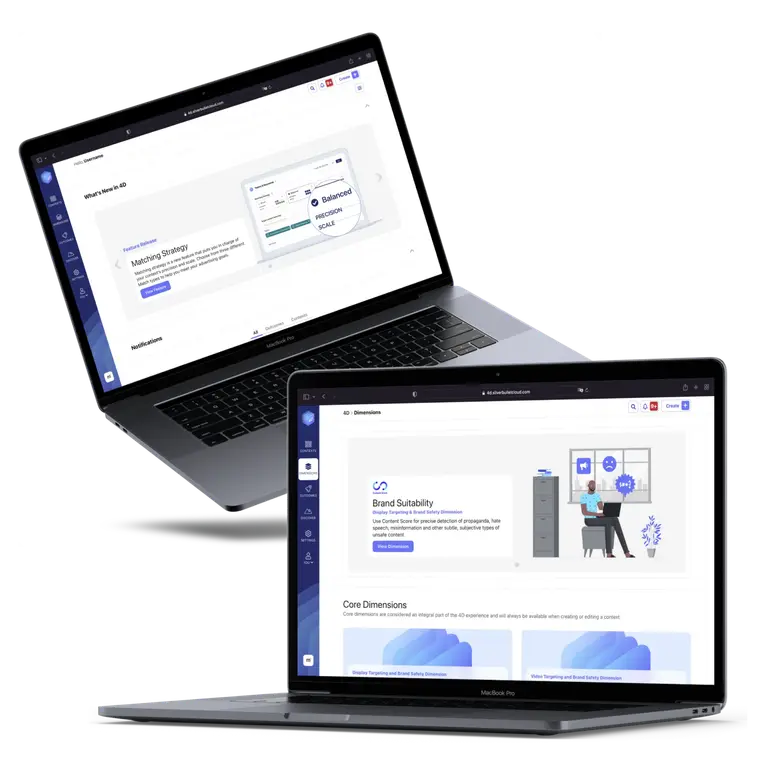
Adtech solution
Marketing & Advertising
July 2019 — Ongoing

4D, a product by SilverBullet, is a marketing and advertising platform that matches ads with the right audience in the most relevant context. This privacy-first solution helps brands, agencies, publishers, and ad platforms thrive in the post-cookie era by ensuring that ads are contextually aligned across all channels, thereby enhancing their effectiveness and engagement. 4D delivers display, video and in-app campaigns in trusted environments, using contextual targeting and insights.
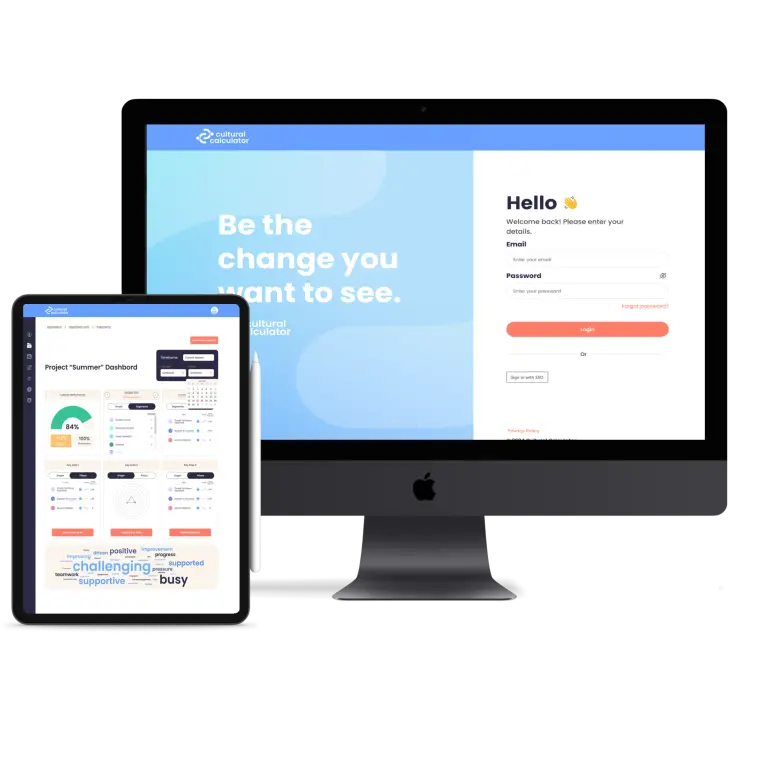
Culture management platform
Human Resources, Business Consulting
March 2021 - Ongoing
The Cultural Calculator is a business management software which empowers businesses to lead, track and manage workplace culture at scale. The web-based platform turns a company’s target culture into feedback tools. It combines team pulse surveys with an end-to-end personal development feedback system to produce business intelligence. Data is visualised for every team level, so each team can see its cultural strengths and the problems that need its attention.
Hotel management system
Travel & Hospitality
December 2016 - Ongoing

Viggo's smart hotel solution for AndroidTV devices lets guests contact hotel staff, order room service, explore hotel amenities, make reservations, and watch their favourite content. Viggo BV, based in Amsterdam, provides this Smart Hotel TV system to hotels worldwide. Hotel administrators can customise the information shown on the TVs in specific rooms, so each guest gets tailored content.

Backend development covers everything the user cannot see on a website or app: the servers, databases, APIs, architecture and business logic that make it work correctly.
There is no single best language, but Python is our choice for most backend work because of its versatility and scalability. Other widely used backend languages include Java, Ruby and PHP.
The backend is crucial for an application’s success because it:
Handles the business logic, ensuring the user gets the desired result.
Facilitates data exchange.
Ensures performance and speed.
Makes the front end possible, by connecting the data to the design.
We can break down backend development into the following parts:
Libraries and frameworks (the building blocks of server-side code)
Web servers (to handle requests and responses)
Server-side web application logic (controlling web applications on the backend)
Databases
APIs (allowing various pieces of software to communicate with each other)
Security
Each project’s requirements and the technology being used dictates the specifics of backend development, but here are some common examples of what is done on this side:
Configuration and deployment of the application on servers and cloud platforms
Processing of user requests and implementation of business rules
Database query optimisation and data caching
Management of databases to ensure data integrity and security
Integration of third-party APIs, social media platforms, and payment gateways
Implementation of authentication, authorisation, and encryption for security