



Five Business Automation Trends to look out for in 2022

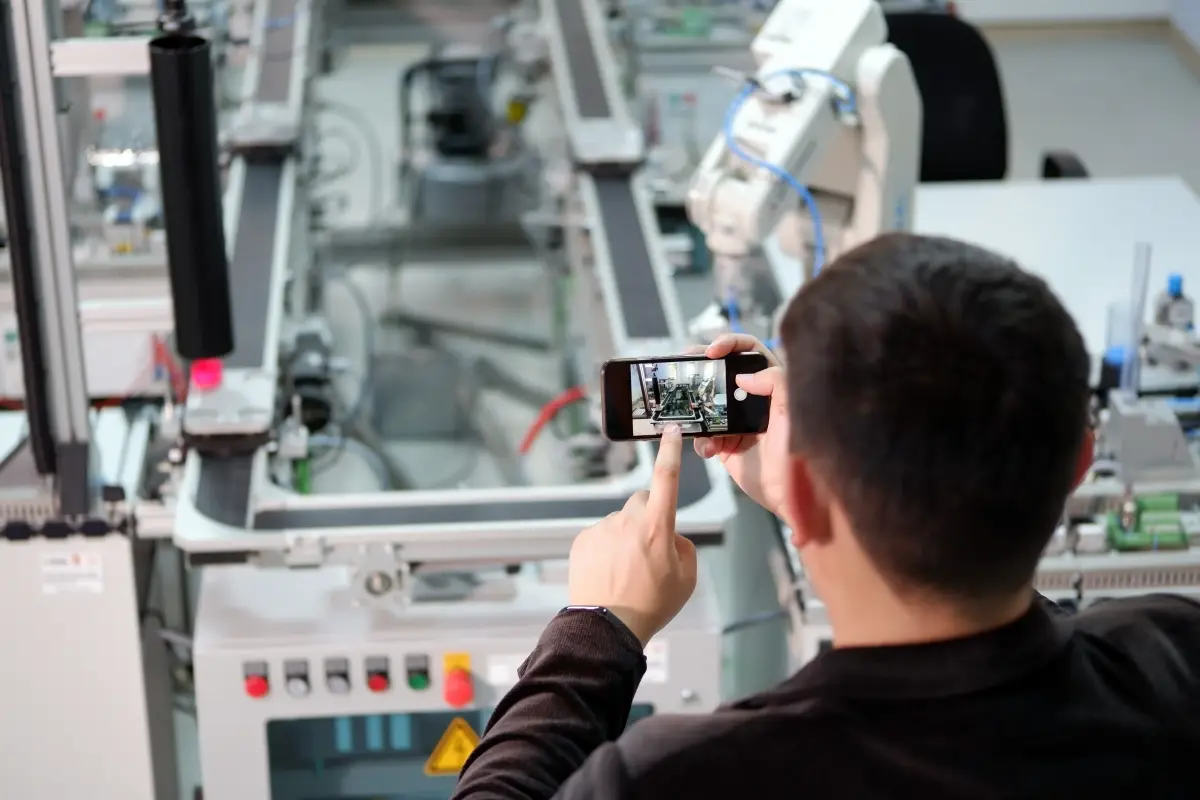
Business automation trends in 2022
The COVID-19 pandemic pushed many companies to rethink their business models and digitise more of their operations, including remote and work-from-home processes.
One theme for 2022 was managing human workers and software bots within the same workflow.
That requires companies to look at their operations as a whole and connect their physical and digital processes.
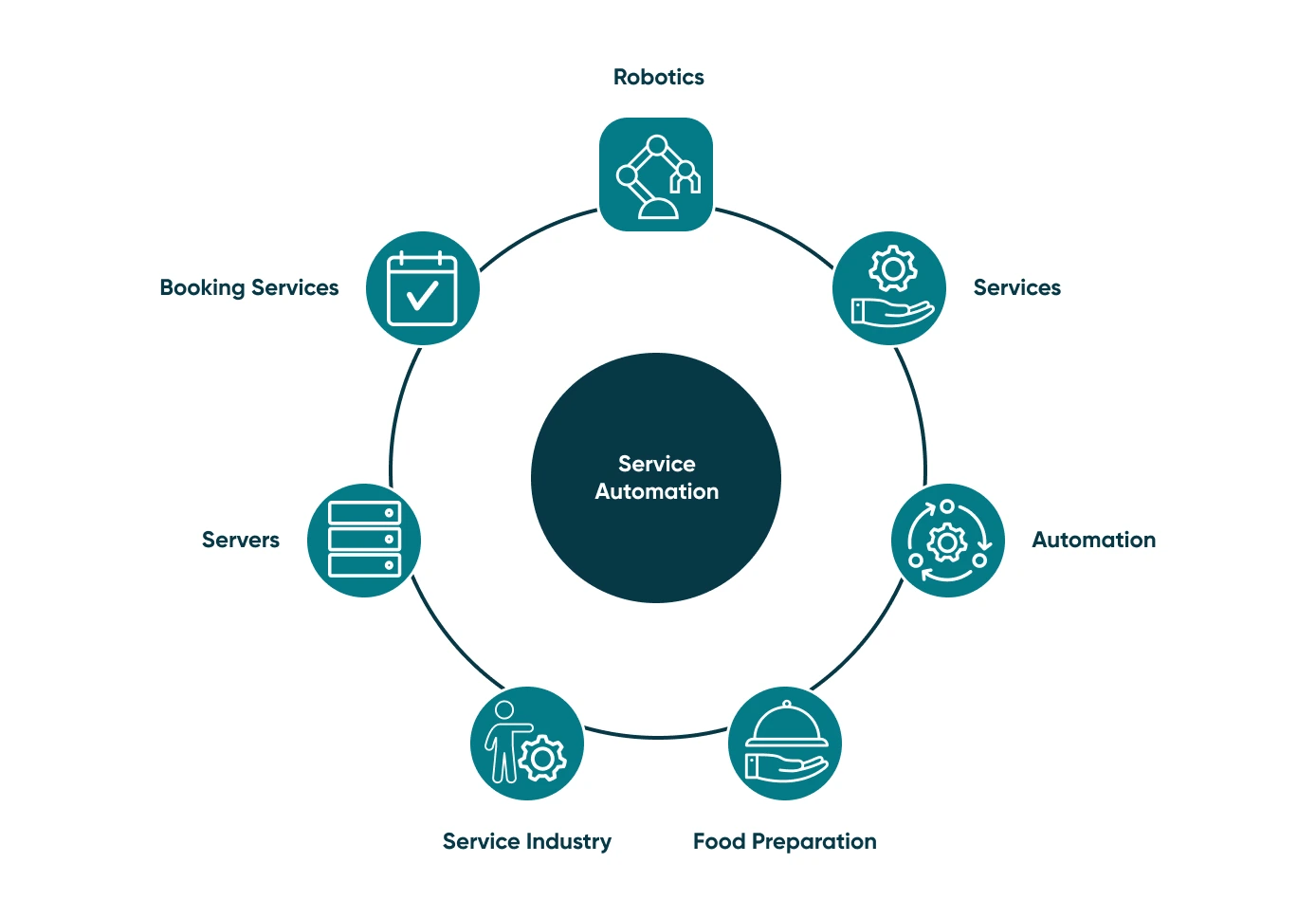
Service businesses where much of the work is manual, such as restaurants, hotels, food preparation, healthcare and warehousing, were expected to be among the most affected.
What is Business Process Automation?
Business process automation (BPA) uses software to run time-consuming but essential business processes faster and more accurately, which frees people for other work.
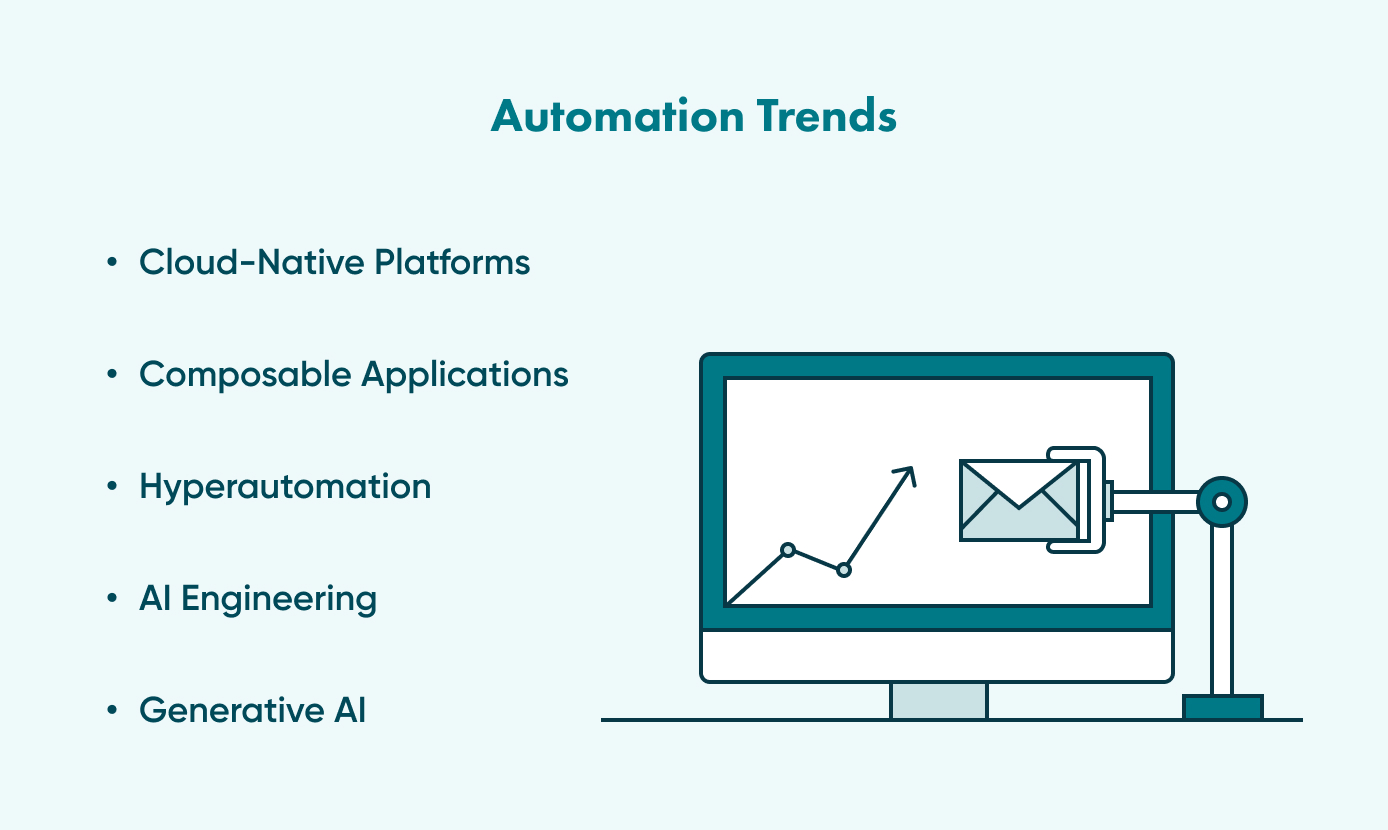
Automation Trends
Which BPA trends matter most depends on the company and industry. The five below are taken from Gartner's Top Strategic Technology Trends for 2022, a list of 12 general technology trends; we chose the ones most relevant to business automation.
Cloud-Native Platforms
“Cloud-native” is the general term for the tools and techniques used to build and run applications in the cloud.
Cloud-native platforms give companies such as Uber (ride-hailing), Airbnb (accommodation booking) and Netflix (streaming) the scalability and flexibility their services need. They are more adaptable than traditional architectures designed for on-premises data centres.
They are updated continuously, so customers always use the latest version.
Composable Applications
Business needs change quickly, so organisations need applications they can adapt fast. That requires understanding the business from both the inside and the outside.
What is a “Composable Application”?
Composable applications are built from interchangeable modules, such as payments, search or notifications, so a team can replace one module without rebuilding the rest.
Building one starts with identifying an application's functional parts and defining them as separate components. The result fits the business's requirements more closely than a monolithic application and is easier to change.
Hyperautomation
Hyperautomation is a disciplined approach to identifying and automating as many business and IT processes as possible. It maps how processes connect and links them through automated workflows.
It combines several technologies and tools, such as artificial intelligence (AI) and business process management (BPM).
AI Engineering
In Gartner's definition, AI engineering is the discipline of governing and managing the life cycle of AI and decision models once they are in production. Our article “The Role of AI in Software Engineering” covers how AI and software engineering connect.
AI tools can also take over time-consuming engineering tasks such as finding and fixing bugs, and reduce human error.
For businesses short of staff, AI-based services such as automated hotel booking or customer relationship management can take on routine work.
To discuss an automated booking or customer relationship system, contact Go Wombat.
Generative AI
Machine learning is a subset of AI: all machine learning is AI, but not all AI is machine learning. Generative AI is the branch of AI that creates new content, such as text, code, images or molecules.
Predictive machine learning, which classifies and forecasts rather than creates, is often discussed alongside it. Typical predictive uses in business automation are client segmentation, sentiment analysis and fraud detection; healthcare also has generative examples.
Client segmentation. Models group customers by behaviour and predict how each group will respond to specific offers or advertising.
Sentiment analysis. Algorithms infer a person's opinion of a product or page from text, voice, images and browsing behaviour, which helps target brands and promotions.
Fraud detection. With billions of transactions a day, humans cannot review them all. Fraud detection has long been automated, but adversaries keep adapting, and machine learning is good at spotting small changes in behaviour or activity levels.
Healthcare. Generative AI has been used to design prosthetic limbs, often produced with 3D printing, and new molecules. In 2021, for example, IBM researchers used generative models to design antimicrobial peptides: of 20 candidates generated and tested within 48 days, two were effective against bacteria (published in Nature Biomedical Engineering).
To discuss an automation project, contact Go Wombat.
Share and subscribe to our blog
Related articles

10 Key Software Development Trends In 2022
The software development trends we expected to matter most in 2022, from automation and AI to blockchain and PWAs, and what they mean for custom software.

Why Use a CRM System? 7 Reasons Businesses Can't Afford to Skip One in 2026
What a CRM system does, how CRM software changed by 2026, and seven reasons to use one, illustrated by the CRM platform Go Wombat built for Demco.

How Can IoT Software Solutions Boost Your Business in 2026?
How IoT software works, the business models it enables, the opportunities it creates and the integration and security problems to plan for.

Essential Things To Consider When Building A Travel Website
What to consider when building a travel website: the main types, why a website matters for travel businesses, revenue models and practical planning tips.

How can we help you ?