



How Do Internal HR Mentoring Programs Foster Growth Within Departments


Introduction
Internal mentoring programs help HR professionals build the skills their role now demands. This article covers how to design a mentoring program for an HR department, run it and measure its impact.
Understanding the Need for Mentoring in Internal HR
Many HR roles now combine administration with strategic work, and that requires continuous learning. A mentoring program inside the HR department gives newer staff guidance, support and knowledge from more experienced colleagues.
Designing a Mentoring Program
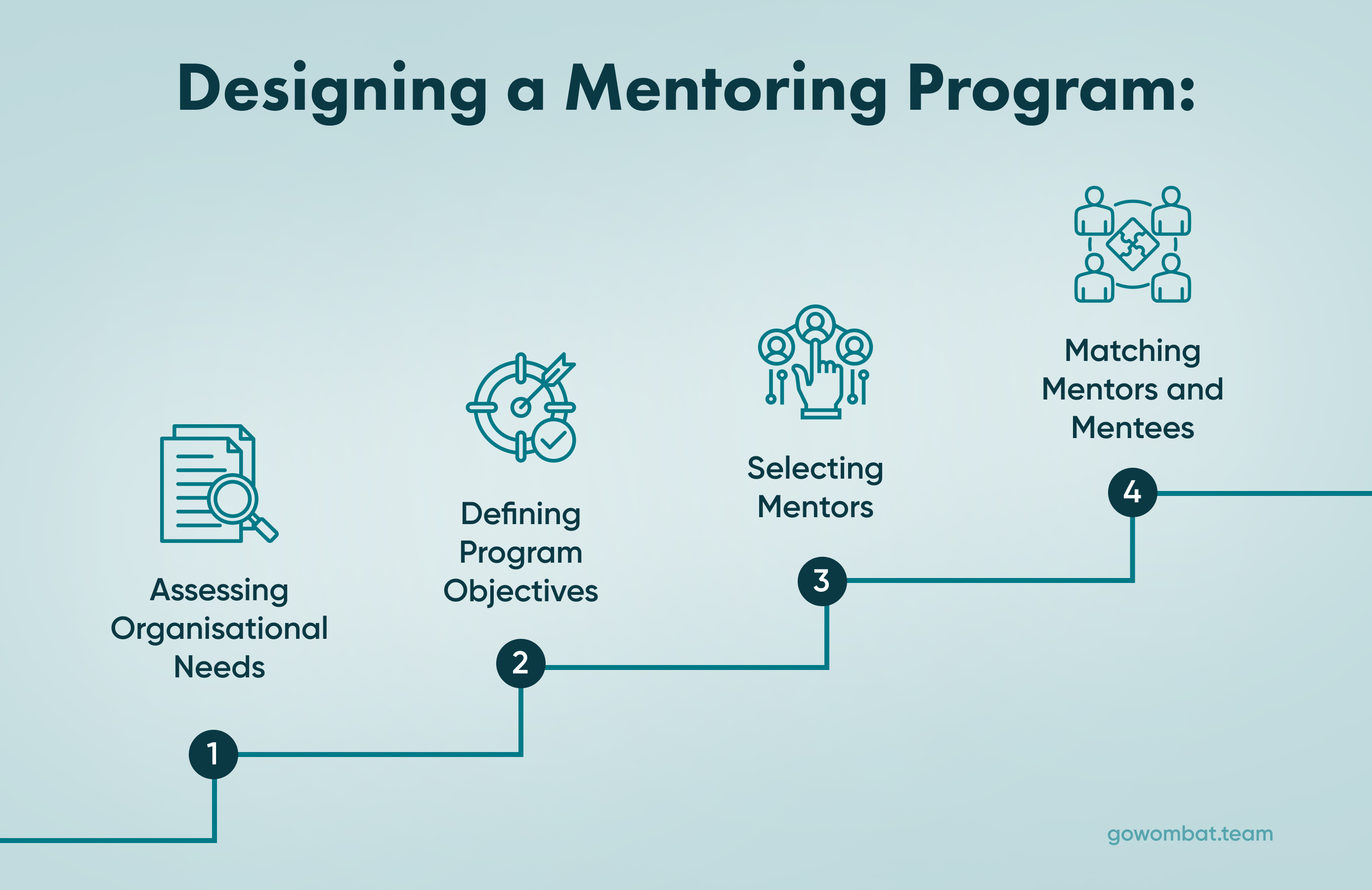
Assessing organisational needs: Start with a needs analysis, so that the program's goals match the organisation's goals, such as employee engagement, talent development or succession planning.
Defining program objectives: Write down clear objectives so participants know what they are working towards. They should reflect the career development needs of HR staff: specific skills, leadership development, and diversity and inclusion goals.
Selecting mentors: Look for experience and expertise, but also for interpersonal skills and a real willingness to spend time on someone else's growth. A mix of senior mentors and emerging leaders gives mentees a wider range of perspectives.
Matching mentors and mentees: Pair people on skills, personality and career goals, and ask each pair to agree how often they will meet.
Implementing and Managing the Mentoring Program
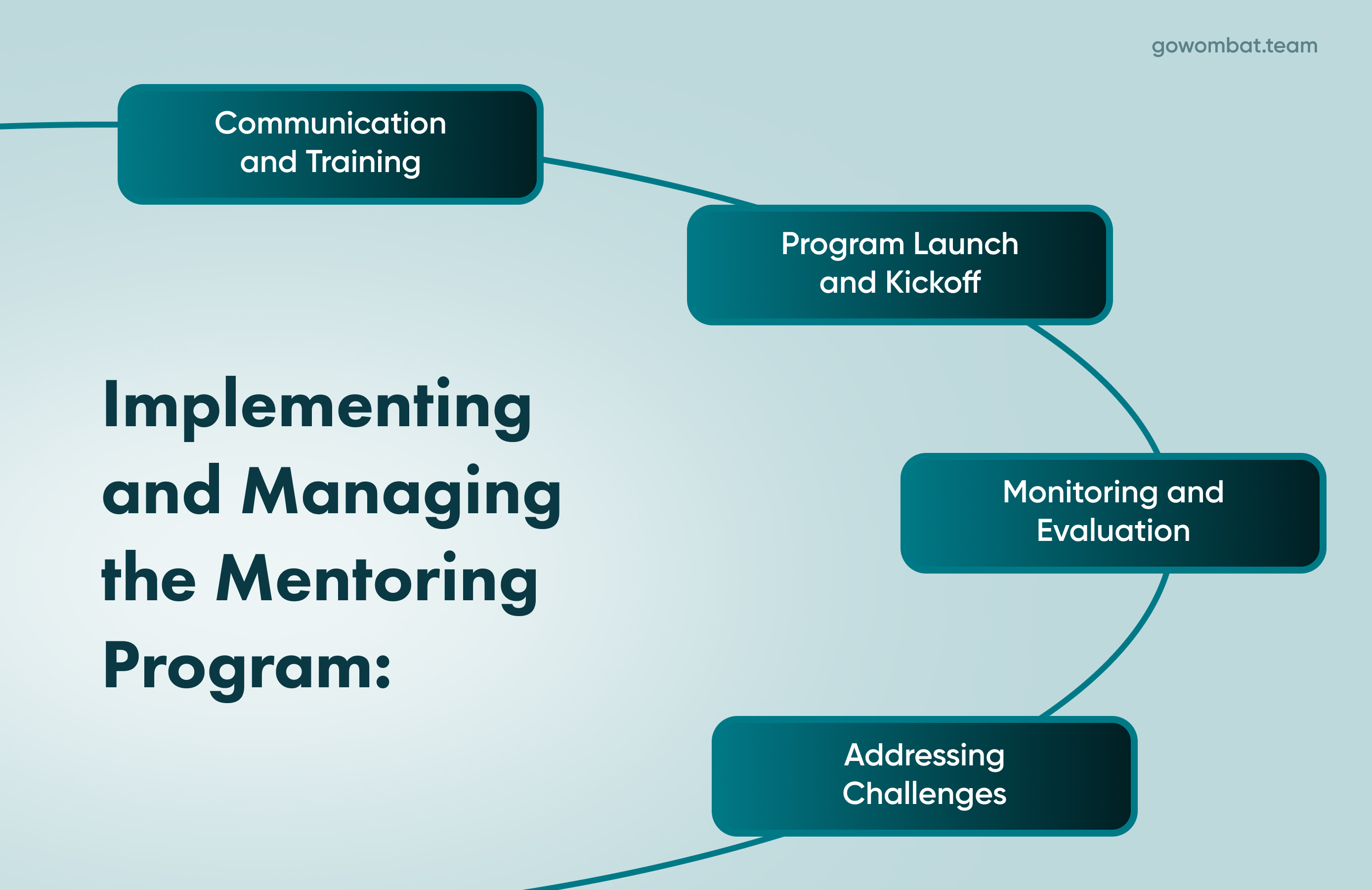
Communication and training: Explain the program clearly before it starts, and train mentors and mentees in what is expected of them. Virtual training sessions and communication platforms make this easier for distributed teams.
Program launch and kickoff: A kickoff event explains what participants will get out of the program and helps secure commitment from mentors and mentees from the start.
Monitoring and evaluation: Monitor the program continuously to see whether it works and what needs improving. Collect feedback from participants and use it to adjust the program's structure and content.
Addressing challenges: Expect common problems, such as missed sessions or mismatched pairs, and decide in advance how to handle them, for example by naming a coordinator mentees can contact or allowing a change of mentor.
Measuring the Impact of Mentoring
Define key performance indicators (KPIs) that match the program's objectives, such as employee satisfaction, career progression and skill development. Track them over time to see whether the program is working and whether it justifies the investment.
Conclusion
Go Wombat builds custom HR software. If you need an internal tool to run a mentoring program, contact us to discuss your requirements.
Share and subscribe to our blog
Related articles

The Secrets of HR Automation
Which HR tasks to automate first, the benefits and risks of HR automation, and a case study of a candidate-assessment SaaS we built with Python and Django.

How to Improve Employee Morale with Workflow Automation
How workflow automation of expense claims, onboarding and routine tasks improves employee morale, with two Go Wombat HR automation projects and three steps to prepare your company.

AI CRM Software Development: The 2026 Complete Guide
How AI and machine learning change CRM software: benefits, key applications, agentic AI, data readiness, implementation steps, and when to build custom.

How can we help you ?