



SaaS - The Benefits for Small and Medium-sized Businesses

Software as a service (SaaS) gives small and medium-sized businesses the same kinds of tools large companies use, such as CRM, accounting and document sharing, for a monthly subscription and without running their own servers.
For current figures on SaaS market size and adoption, see this collection of SaaS statistics.
What is Software as a Service (SaaS)?
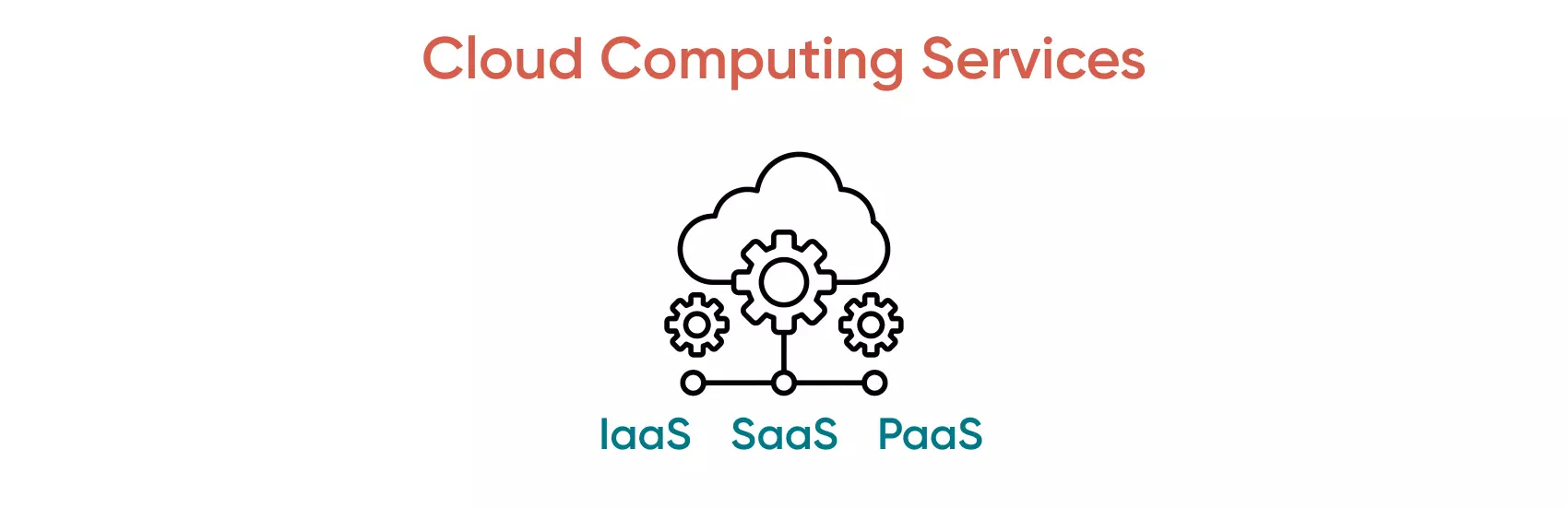
There are three main categories of cloud computing services: IaaS (infrastructure as a service), PaaS (platform as a service) and SaaS (software as a service). They differ in how much the provider manages. With IaaS, you manage the operating system, applications and data on the provider's infrastructure. With SaaS, the provider also runs the application, but under the shared responsibility model you always remain responsible for your data, user accounts and access settings.
SaaS delivers applications to users over the internet; it is also called on-demand or hosted software. Your team uses it without installing it on every computer in the company. The application runs on the provider's servers, so the provider looks after infrastructure security, availability and performance, while you control who has access and how your data is used.
What Are the Advantages Of the SaaS Model?
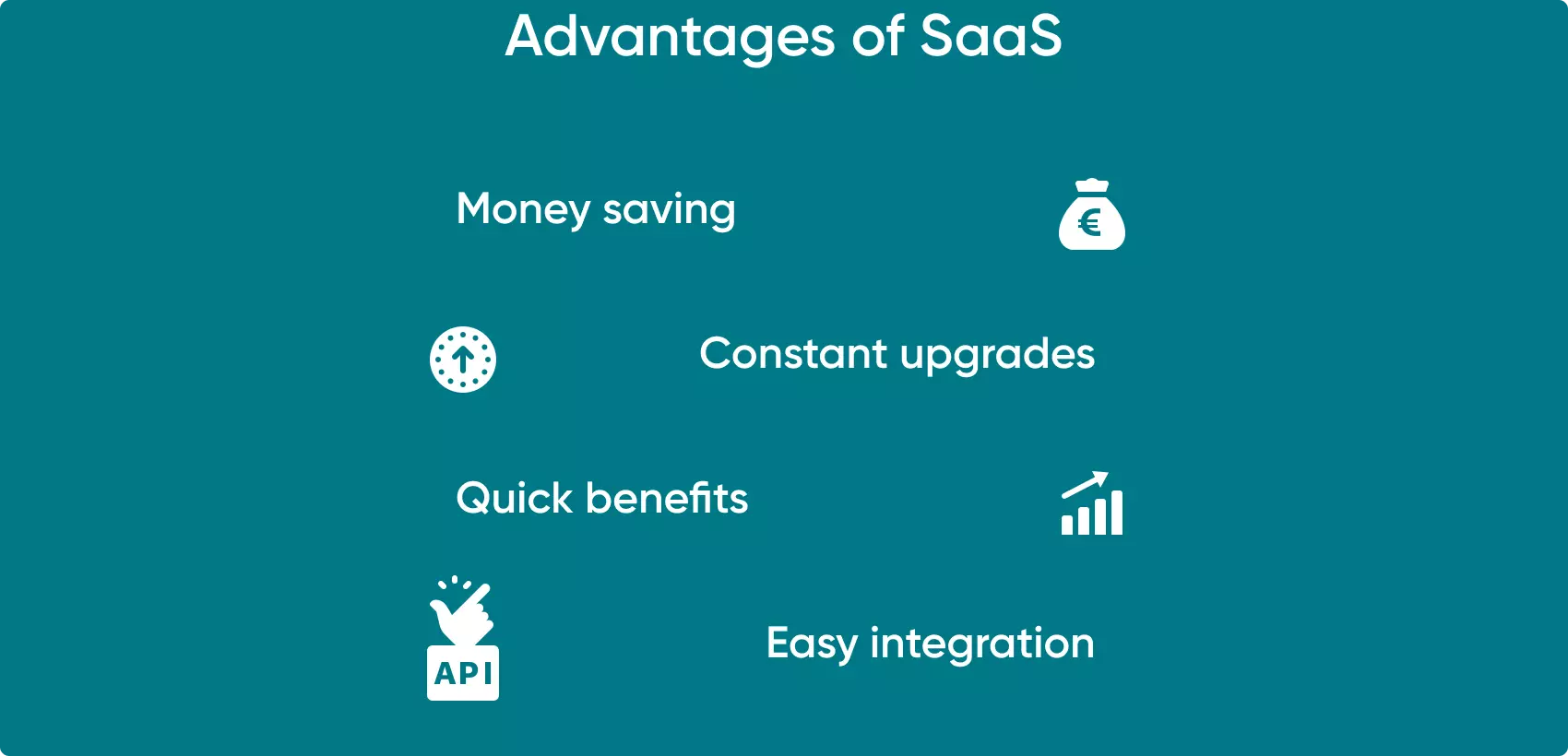
Money saving
SaaS keeps upfront costs low. You don't buy servers: the office computers you already have are enough. You also don't need to grow your IT department, because most SaaS products are built for non-technical users such as HR staff, writers and accountants. Opening a new branch costs less too, since new staff only need accounts.
Constant upgrades
The platforms your business depends on keep changing. Microsoft releases Windows feature updates once a year, and according to Google's How Search Works, in 2023 Google ran over 700,000 experiments that resulted in more than 4,000 improvements to Search. Changes like these can make you revise your SEO strategy, your analytics or even your advertising budget.
SaaS vendors track such changes and update their tools, so your team works on the current version without planning upgrades.
Quick benefits
Your team can start using a SaaS tool as soon as you subscribe and get access, as there is nothing to install on your own servers. The only thing that takes time is learning how the tool works.
Easy integration
Most SaaS tools connect to each other through APIs or ready-made integrations. For example, a CRM can create tasks in your task tracker or pull in data from other cloud tools, so different teams work from the same data.
How SaaS Benefits SMEs
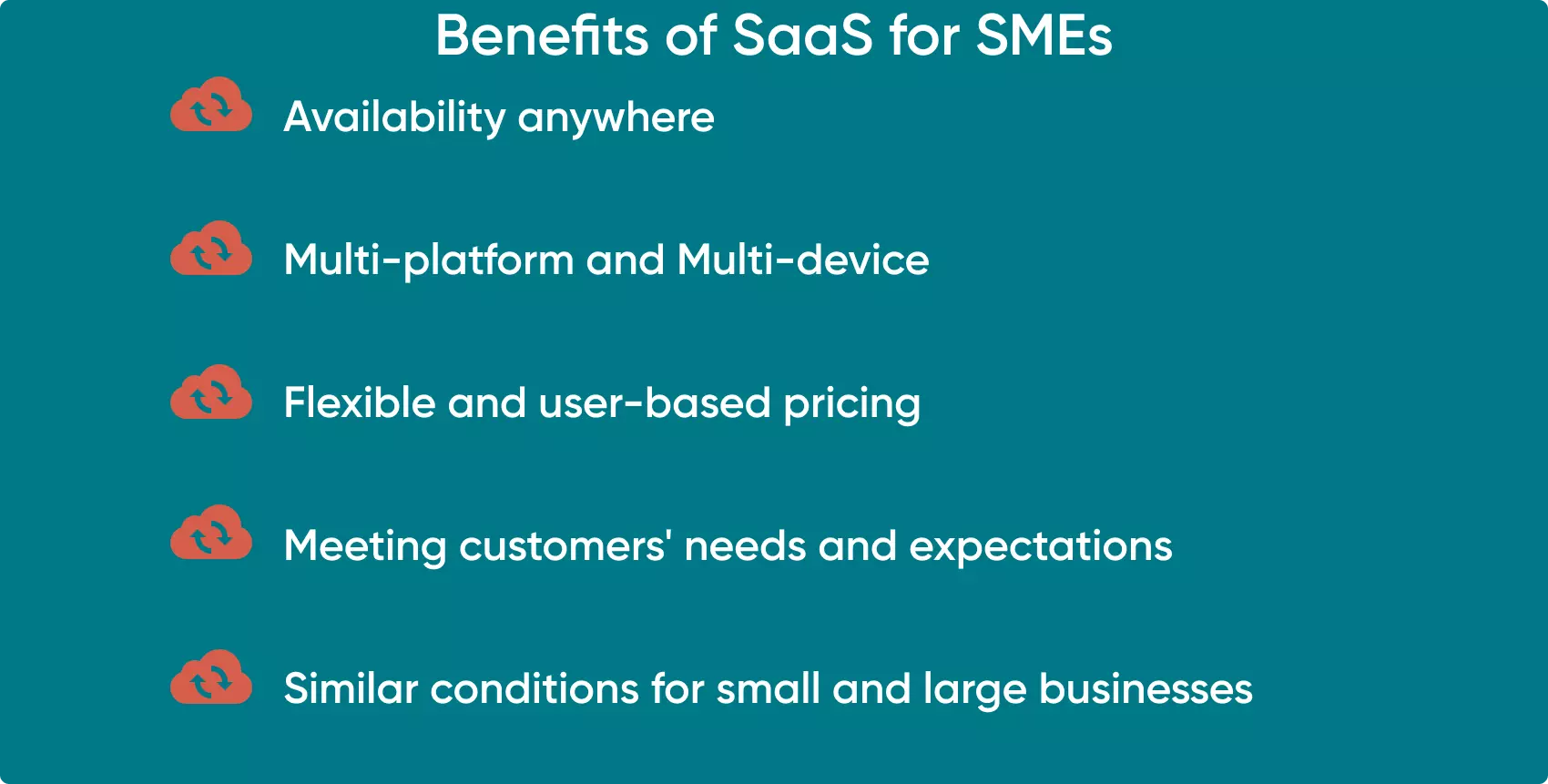
SaaS is multi-platform and multi-device
SaaS tools run in a browser or in apps for different operating systems, so they work on office computers, laptops and phones. All you need is a stable internet connection.
Availability from anywhere
This makes it easier to run a team across different time zones. With a corporate subscription, every employee added to the account can use the tool from any location. The data is synchronised, so anyone with permission sees the same, current information.
Flexible and user-based pricing
Most SaaS tools charge per user per month. You pay for the seats you need, and you can try a tool for a month or two before deciding whether to keep it.
Meeting customers' needs and expectations
Customers expect online booking, quick answers and self-service. SaaS tools let small and medium-sized businesses offer these without building their own software.
Similar conditions for small and large businesses
Before SaaS, software for accounting, finding clients and running a company needed large budgets and large teams to buy and maintain it. Small businesses and self-employed specialists could rarely afford it.
Now SMBs and even startups can get the same functions for a monthly subscription.
To find out how SaaS can help your business, contact Go Wombat.
How different industries benefit from SaaS solutions
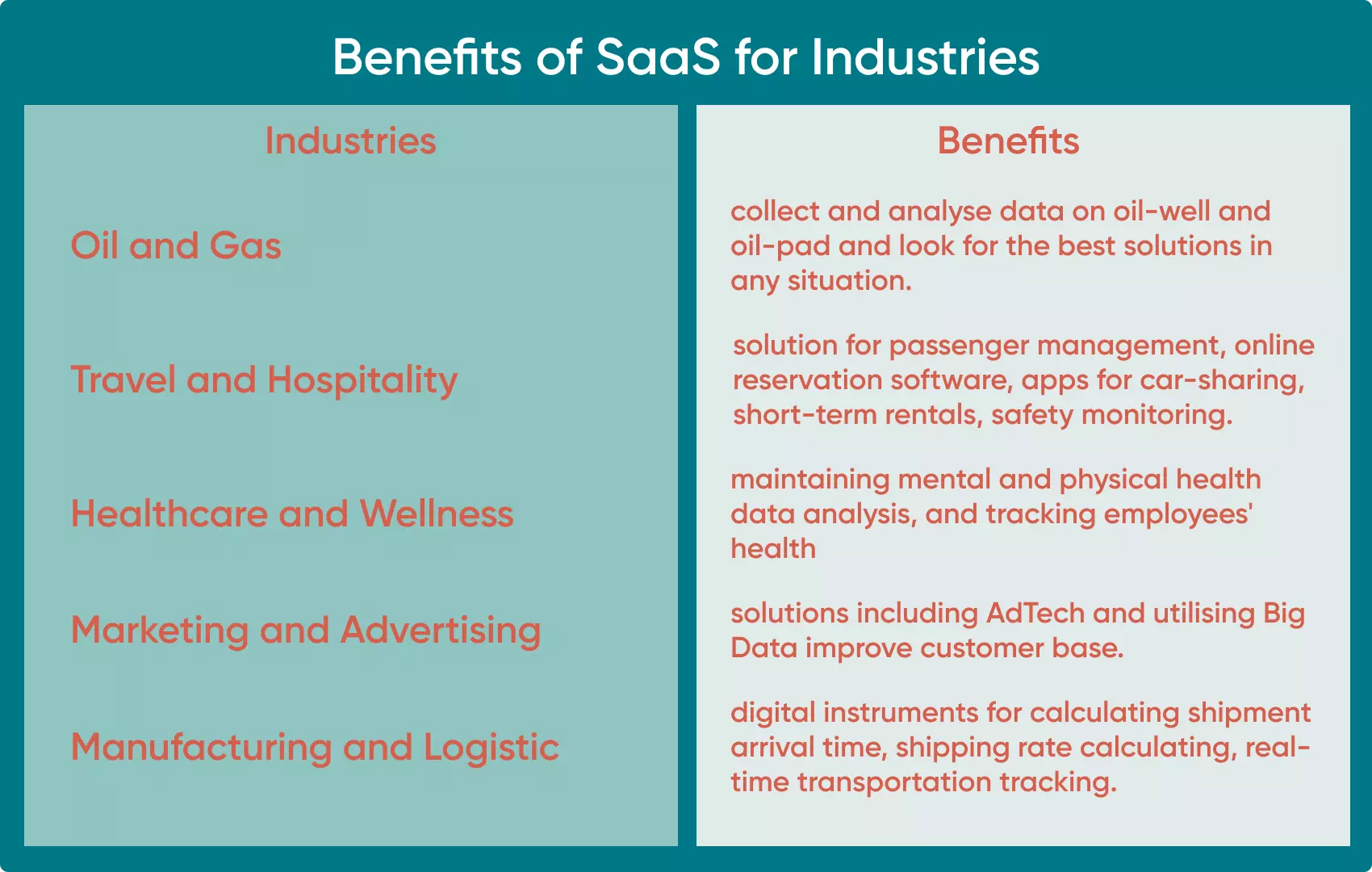
Travel and Hospitality
Travel and hospitality businesses use SaaS for passenger management, online reservations, car-sharing and short-term rental apps, safety monitoring and speeding alerts. SaaS website builders also make it easy to launch a new website.
Oil and Gas
In oil and gas, SaaS platforms help connect the office with the oilfield. They collect and analyse data from wells and pads, which helps teams make decisions and reduces the time spent on manual routine inspections.
Marketing and Advertising
Marketing and advertising businesses already rely on SaaS, from AdTech platforms to tools for working with Big Data. Small agencies can add capabilities by adopting cloud tools instead of building their own. Go Wombat can advise you on the features of the SaaS software we develop for clients.
Manufacturing and Logistics
Logistics and manufacturing companies use SaaS tools to estimate shipment arrival times, calculate shipping rates, track transport in real time and see order status. Like other SMEs, they can also use cloud tools for communication, social media, marketing and paying bills.
Healthcare and Wellness
In healthcare, SaaS covers hospital management, online consultations, patient database management, virtual classes for medical staff and data analysis. Clinics and self-employed doctors can also build SaaS products of their own, such as health-improvement platforms, and sell access to them.
Conclusion
SaaS gives small and medium-sized businesses tools that used to need large budgets, for a monthly fee and with little IT overhead. A practical first step is to pick the process that costs your team the most manual hours and check whether a SaaS tool already covers it.
Contact Go Wombat to discuss SaaS development and implementation.
Share and subscribe to our blog
Related articles

Cloud Data Security: Protecting Sensitive Data
What cloud data security covers in private, public and hybrid clouds, why the Capital One, Uber and Accenture incidents happened, and the controls that prevent them.

The Importance of Cybersecurity
Why cybersecurity matters for businesses, the most common types of cyberattacks, and practical steps to protect your company against them.

Hiring A Full-Stack Development Company
What a full-stack development company does, the challenges of outsourcing a whole project, and three steps to hiring the right team.

How can we help you ?

