



Big Data - A brief introduction and The Top 5 Applications

What big data is and which industries use it
Big data first drew attention as a way to organise and understand large volumes of existing data. As storage and computing improved, so did the tools to analyse that data and draw accurate conclusions from it.
Today big data is used across many industries and is often a core part of SaaS (Software as a Service) products. Companies use it to build new products, predict events and outcomes, and base decisions on evidence.
According to Gartner, worldwide end-user spending on public cloud services reached $595.7 billion in 2024 and was forecast to reach $723.4 billion in 2025.
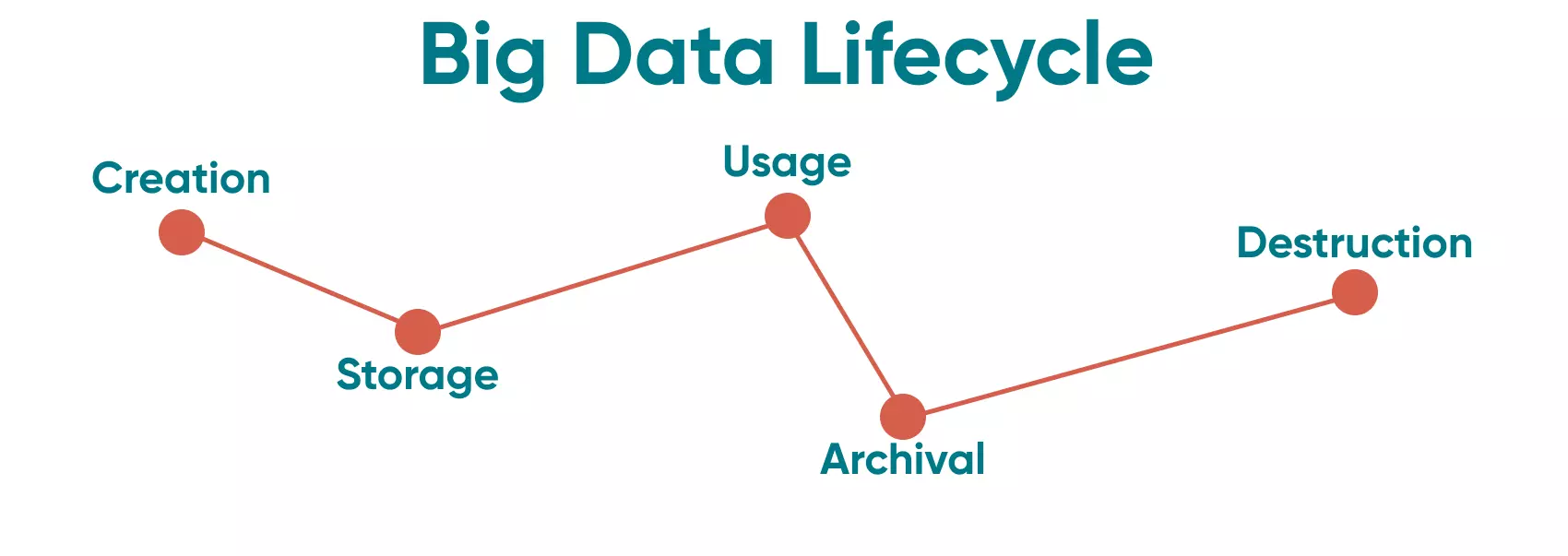
Data Lifecycle
Data Creation
The first stage of the data lifecycle, when data is generated or collected. It comes in many types and formats, such as images, emails, voice messages and PDF files.
Data Storage
Safe and organised data stores with regular data backups or recovery processes help protect and secure data. Furthermore, the level of data security should be controlled and regulated by international standards.
Data Usage
Stored data is used for the company's needs: it can be viewed, edited, shared and saved. Keep every change traceable with audit trails. When legacy systems are replaced, plan the data migration carefully to keep disruption to a minimum.
Data Archival
Archiving moves data that is no longer in active use out of the main systems while keeping it available.
Data Destruction
Data that is no longer needed should be deleted, for example to reduce storage costs.
The Three Vs of Big Data Analytics
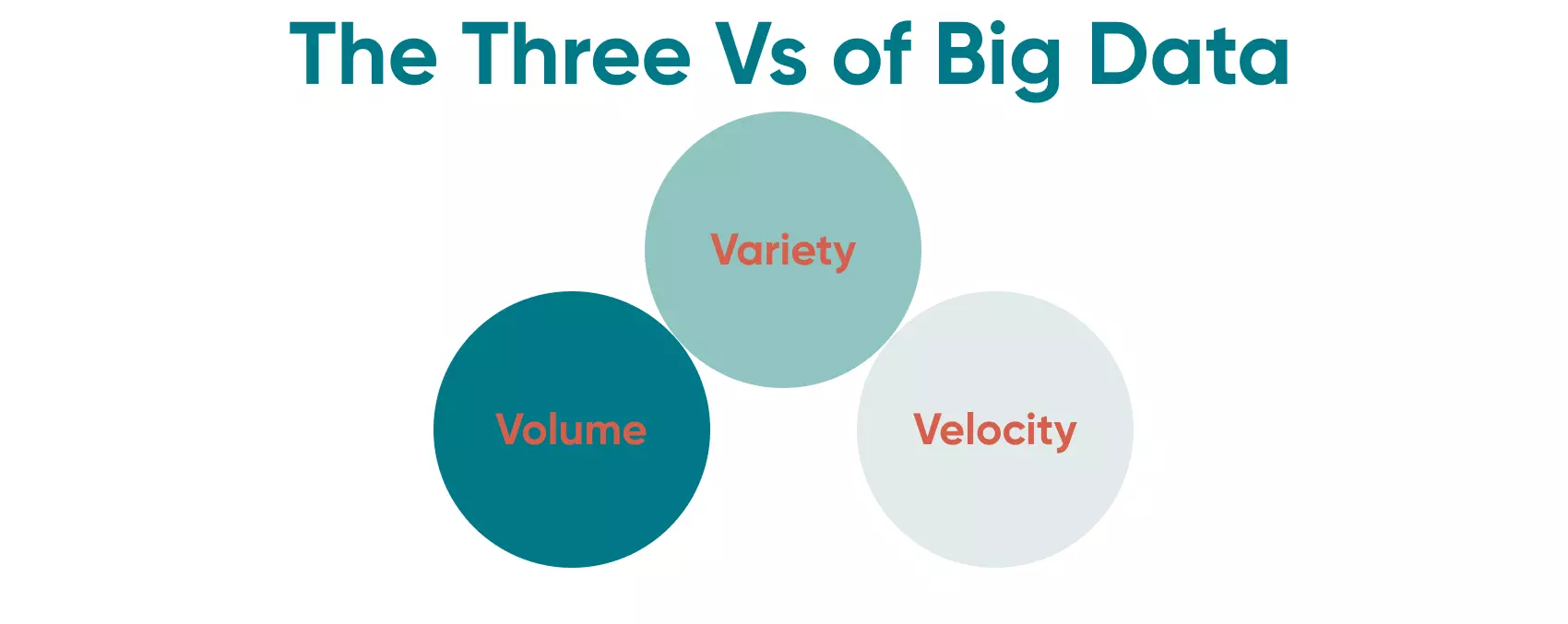
In 2001, Doug Laney described the basic characteristics of big data as the "Three Vs": volume, velocity and variety. Value and veracity were added to the list in later years.
Volume
Around 2012, it was estimated that about 2.5 quintillion bytes (2.5 exabytes) of data were generated every day, and today's volumes are many times larger. Big data sets can reach petabytes, sizes that traditional data tools were not designed for. Storing and processing data at that scale is the first problem big data management has to solve.
Variety
Most big data is unstructured: emails, documents, images, audio and video rather than neat database tables. The mix also depends on the field, whether that is government, banking or social media. Typical examples are emails, financial reports, files and marketing analytics results.
Velocity
Velocity is the speed at which data arrives and has to be processed and analysed. Much big data arrives as a continuous stream, so it often has to be processed in real time, as fast as it comes in.
Big Data Challenges
High Volume
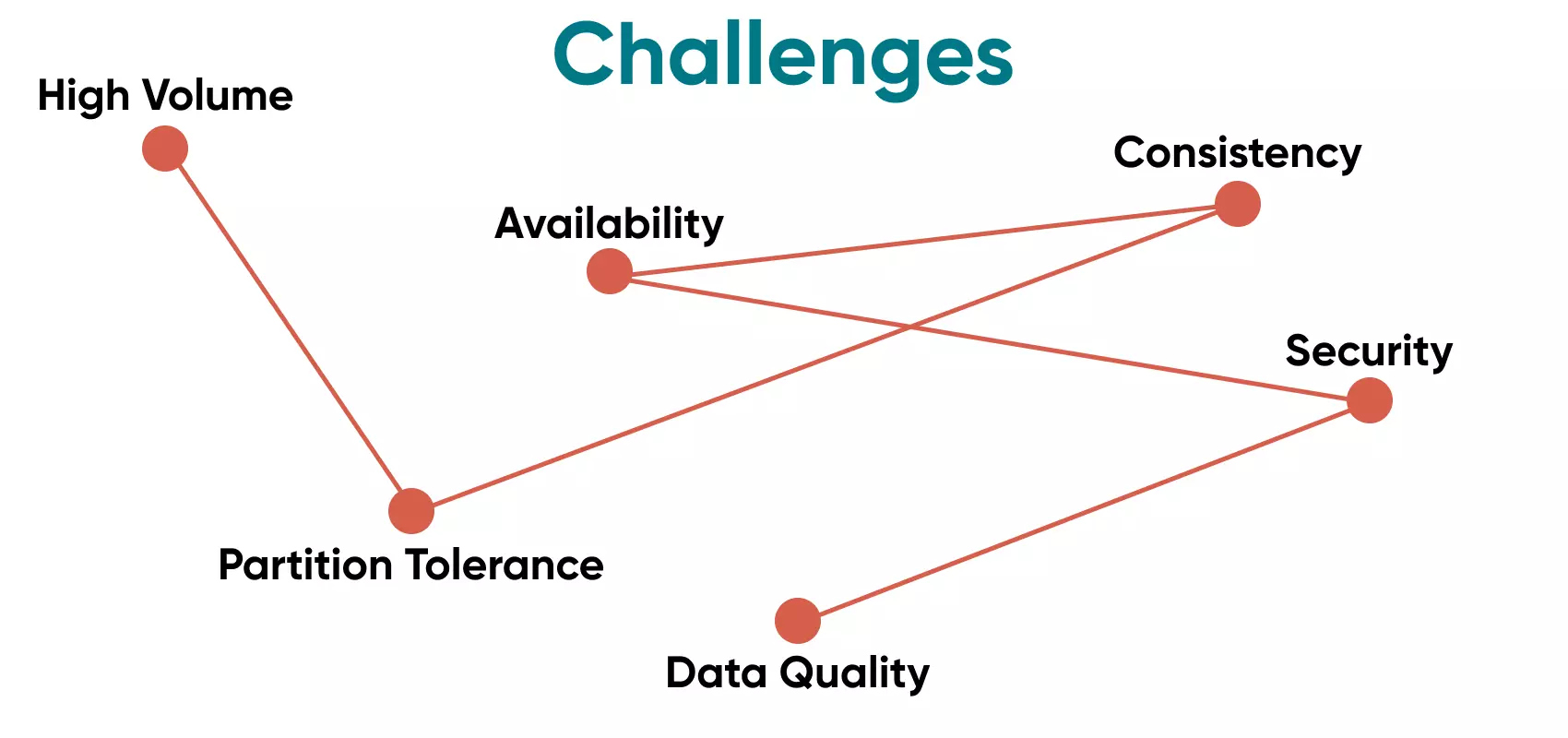
Whatever its business model, a company collects customer data, and the volume grows every year. Storing it is one of the main big data challenges.
Structured data sits in databases with established tools for managing and analysing it. A large share of useful data, however, comes from audio, video and text documents that are not stored in a database.
Three common techniques help with high volumes: deduplication, compression and tiering.
Deduplication removes duplicate or unwanted copies of data. Compression reduces the number of bits needed to store the data, so its overall size shrinks. Tiering places data on different storage levels according to its size or importance.
Security
Large data sets are an attractive target for attackers, who can steal and sell them. Data breaches damage a company's reputation and finances. Cybersecurity measures such as encryption, access control, real-time monitoring and data segregation protect data at several levels.
Top Five Applications for Big Data
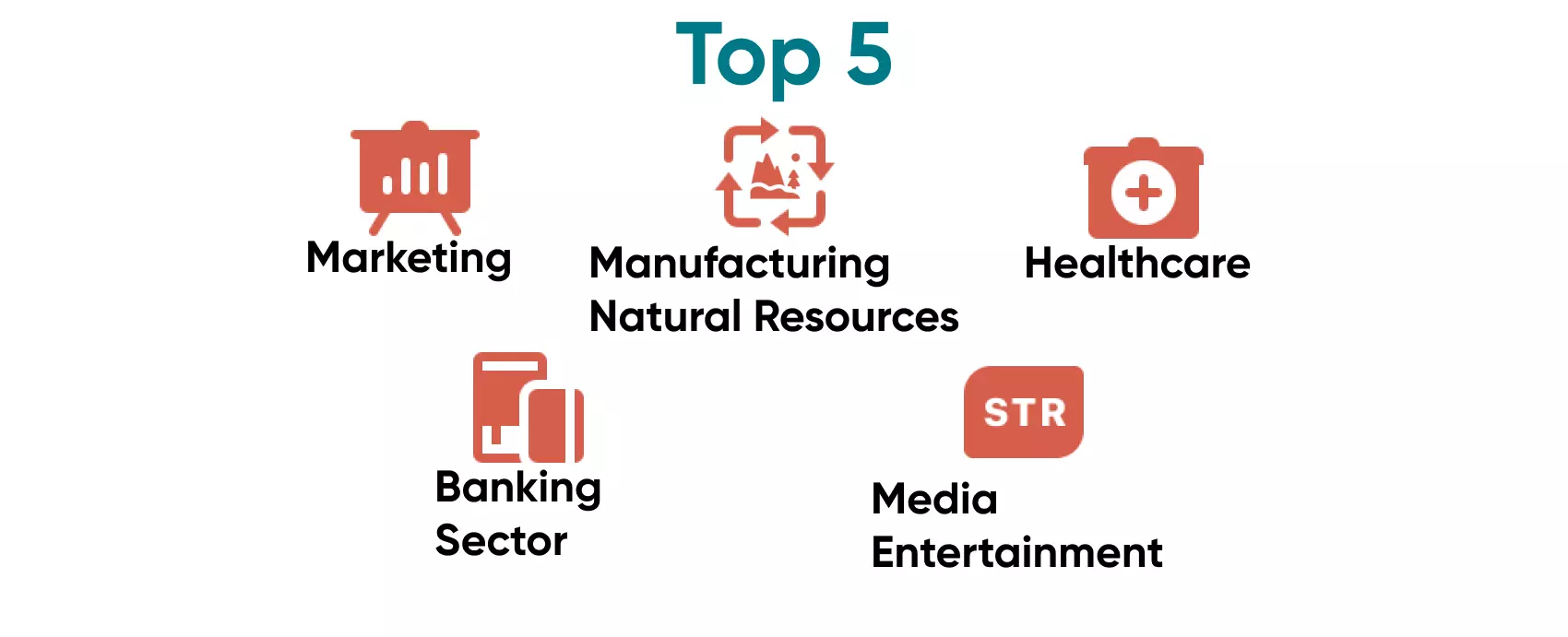
Marketing
A sound marketing strategy brings in leads, makes a brand recognisable and helps it stand out from competitors. A whole category of software, known as AdTech, supports this work.
Marketing teams work with three types of big data: operational, customer and financial. Cloud data warehouses have made analysing them affordable even for smaller teams.
Understanding Your Clients’ Needs
Marketing depends on understanding customers and their needs. With the right tools, a company can collect data on its customers' preferences and behaviour and learn who it is really selling to.
The marketing team can then create more relevant ads for specific audiences on the right platforms.
Building Brand Awareness
Brand strongly influences buying decisions, and people prefer companies with a clear story and goals they share. Collecting and analysing data about your audience helps you build a brand even on a tight budget.
Media and Entertainment
Spotify, Facebook, Instagram and Netflix all rely heavily on big data.
Streaming services use viewing and listening history to recommend content and build playlists for each user. Media companies also use data from social media, loyalty programmes and online marketing analytics to target advertising.
Understanding the Role of Advertisement in Your Niche
Big data helps answer practical advertising questions: which ads are most likely to bring new viewers or listeners, when to show them, and whether a campaign worked.
Ads can be based on data about customers' preferences, the time they spend on your service and their behaviour online.
Predict the Interests of Your Audience
A marketing budget works only if you know exactly who buys from you. Big data applications give you enough information to build detailed customer personas and predict what your audience will be interested in, which helps build long-term relationships with customers.
Healthcare
Healthcare produces huge amounts of data that big data tools can analyse, from research on new medicines to patient records and population health statistics.
Treatment of Complex Diseases
When patient histories are collected and shared within the medical system, doctors can see how a disease developed, its symptoms, the influence of external factors, which drugs were used and how well they worked, and how the patient responded to specific therapies. Pooled across many patients, this data improves the understanding of rare and complex diseases.
Diagnosis
Doctors usually examine and interview a patient to learn about previous illnesses, then choose tests and treatment. With the patient's full history available and analysed with AI, diagnoses can become more accurate, and the patient can avoid unnecessary tests.
Computer-assisted diagnosis still makes mistakes, so the final diagnosis and treatment decisions must stay with doctors.
Manufacturing and Natural Resources
Manufacturers and natural resource companies use big data to increase profit and design better production systems, for example by analysing how people and the environment interact with them. Three common uses:
Anomaly Detection
Modern algorithms running on cloud infrastructure can find statistically significant anomalies in production data and separate real deviations from noise, so that problems are found sooner.
Tool Lifecycle Optimisation
Predictive analytics can identify what causes tool damage, so businesses can extend the life of their equipment and save money and time.
Supply Chain Management
In manufacturing supply chains, big data helps track patterns in supplier deliveries and spot risk factors before they cause delays.
Banking Sector
Banks use big data analytics to prevent fraud and compete more effectively. With AI, they can screen credit card transactions in real time.
Big data applications also reduce the time and effort spent on compliance checks, auditing and reporting, cut overhead costs and support banks' marketing.
Clients’ Incomes and Expenditures Data
Banks use data on customers' income and spending to decide whether to grant credit. Big data tools help combine income information from different sources.
Customer Segmentation
Big data analytics shows banks which services suit which clients. Customers are segmented by salary and other indicators, and the bank can use income, desired income and credit history to make personalised offers.
Conclusion
Big data is harder to set up than conventional analytics, but it gives companies a much stronger basis for decisions, and more industries use it every year.
Implementing big data takes experienced engineers and a clear strategy. Contact us to discuss where to start.
Share and subscribe to our blog
Related articles

Big Data in the Hospitality Industry
Big Data in the hospitality industry: what it is, how hotels, restaurants and travel companies use it, and the limitations to plan for.

What is AdTech? A look at its influence on industries
What AdTech is, its main platforms (ad exchanges, ad networks, ad servers, DSPs and SSPs), trends and the privacy issues it raises.

Why Is the Digital Twin of an Oil Refinery the Most Complex AI System You Will Ever Build?
Why a digital twin of an oil refinery is so hard to build: seven interdependent layers from physics simulation to control system integration, results from Cosmo Oil's refinery digital twin, a look at Honeywell's planned digital-twin work at the Dangote refinery, team and data prerequisites, and why projects fail.

How can we help you ?

