



The Benefits of Machine Learning in Manufacturing


How to Apply ML Algorithms For Quality Control
Large manufacturers must keep product quality high and consistent. Machine learning in manufacturing helps with that: together with other AI techniques, it is a core technology of so-called smart factories, used to improve and speed up production.
When this article was written, Go Wombat was working on a large project that uses machine learning for quality control in several production plants, as part of their digital transformation. Below we cover where artificial intelligence and machine learning help in manufacturing, the steps to adopt them, and how we built that project.
How Machine Learning Enhances Manufacturing Processes
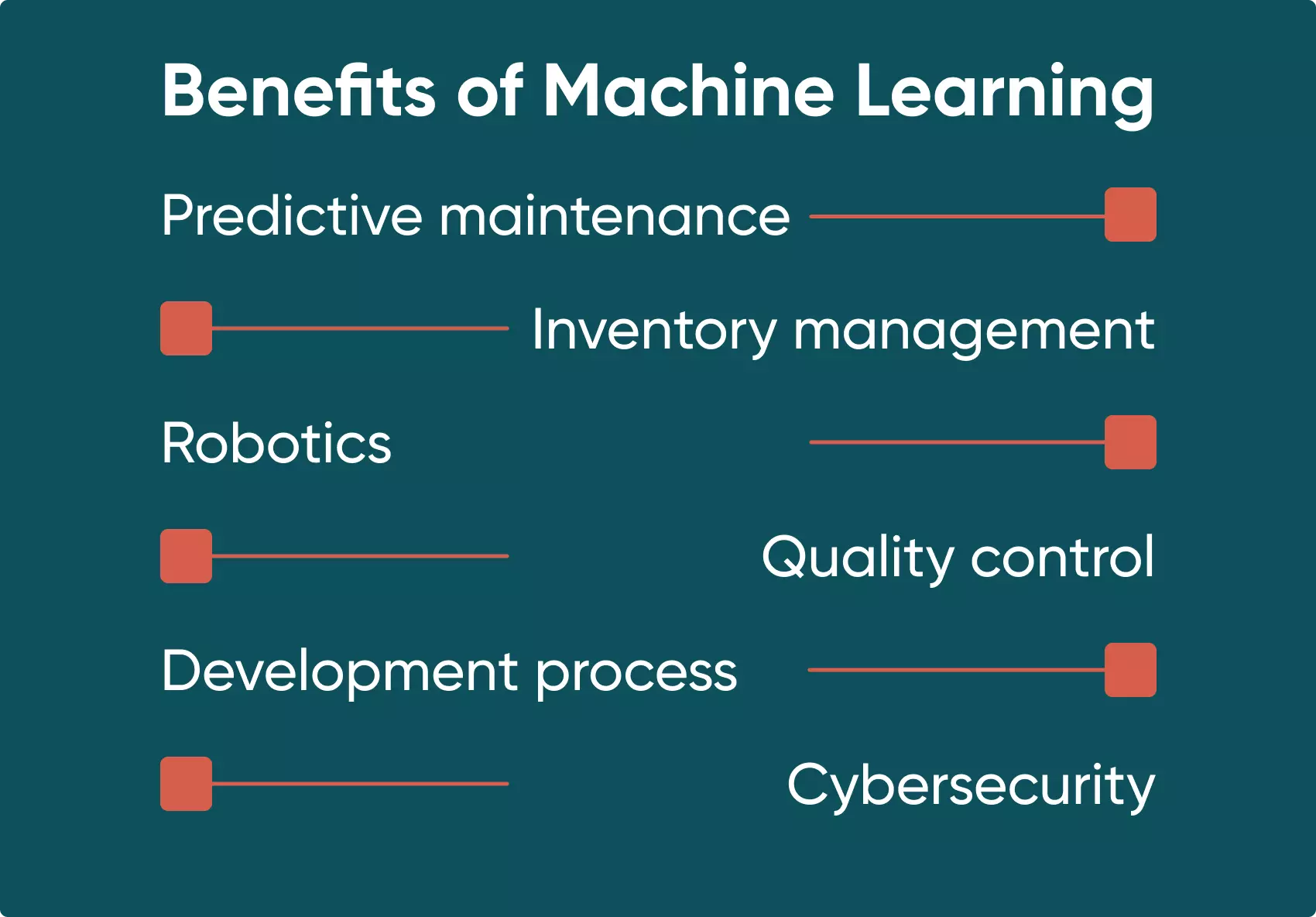
According to Fortune Business Insights, the global AI in manufacturing market was valued at USD 7.6 billion in 2025 and is projected to reach USD 128.81 billion by 2034.
Predictive maintenance
Machine learning models can predict likely equipment failures from equipment data. Specialists can then schedule maintenance at the right time and avoid breakdowns and unplanned downtime, which cost money and output. The same monitoring catches excessive wear and tear early.
Efficient inventory management
Machine learning can automate many logistics, inventory and supply chain tasks, which cuts costs and frees staff from manual work.
Quality control
Product quality is one of the most useful areas for machine learning. Quality control here covers not only the finished product but also equipment faults, process efficiency and the energy use of a specific machine or process. Machine learning algorithms analyse manufactured products for patterns that indicate defects. A deployed model does not keep learning on its own, but retraining it on newly labelled defects improves detection over time.
Development process
In product development, machine learning helps analyse large amounts of product and market data (big data) to identify demand, so companies can build products that match it and take less risk. Even the best algorithm, though, is only as good as the historical and real-time data it is trained on. Manufacturers need a well-designed data collection strategy that captures all relevant information about their process.
Robotics and Machine Learning Algorithms
Adding machine learning to manufacturing robots can reduce manual workload and improve quality inspection. Robots with ML can process sensor data and other raw data in volumes no person could handle, which lets engineers automate more complex tasks.
Cybersecurity and Machine learning
Manufacturers use many platforms and tools to access and process data, so machine learning can also help with digital security: ML-based monitoring can detect unusual activity and alert specialists to possible intrusions. Manufacturing systems often include ERP (Enterprise Resource Planning) and SCADA (Supervisory Control and Data Acquisition), and both need protection from outside and inside threats.
Contact us if you need ML-based software.
Steps To Get The Most Out Of Machine Learning In Manufacturing
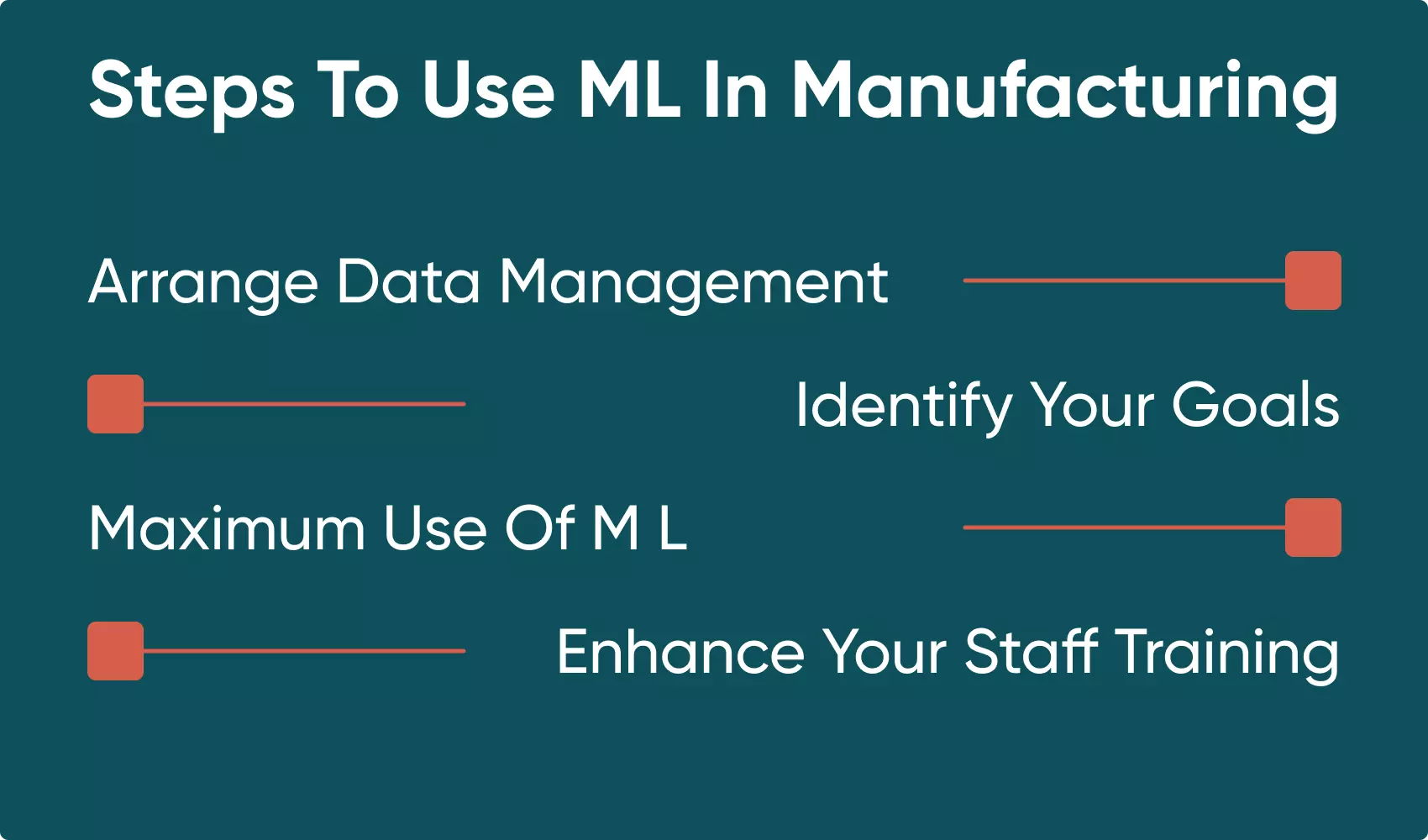
These steps help you decide where machine learning fits your manufacturing process and how to get the most from it.
Arrange Proper Data Management
All data that machine learning will use must be collected and stored in one place that ML tools can access. You also need data platforms that can extract and process large data volumes; in some projects, the data is stored on cloud servers. At Go Wombat, we can help you choose the right tools.
Identify Your Goals
Next, identify the areas of production where ML fits best and can deliver value quickly. Define your goals, rank the tasks by importance, and introduce machine learning models in that order.
Strive For The Maximum Use Of Machine Learning
Machine learning may start with a few specific tasks, but its full effect on manufacturing shows when you apply it across the organisation. Plan for that wider use over time.
Enhance Your Staff
ML-based tools need trained people. Plan personnel training, and show your workforce how machine learning can make their own work easier. Your team should also include data scientists, analysts and the relevant IT specialists. Include staff in the planning from the start.
If a software development company such as Go Wombat integrates the machine learning system, it can also take over maintenance: functionality, performance, and the security of data stored on-site or, more commonly, in cloud-based storage.
You also need a data-driven culture, in which staff understand what machine learning can and cannot do for the business.
Contributing To The Quality Assurance In Manufacturing
The Project
Go Wombat was asked to help develop a product for the manufacturing sector. It was at the proof-of-concept (PoC) stage, and our task was to develop it further.
Background
Factories that assemble electronic boards often buy components made by other manufacturers. Some dishonest vendors sell used components as new, so a factory can end up with damaged or used parts. Supervised machine learning can identify them.
Goal
Go Wombat’s team and the client’s developers built and trained neural networks for this.
The neural networks recognise components and their manufacturers and detect defects such as soldering issues. With this information, a board manufacturer can see that a batch of components is counterfeit or low-quality and should be discarded.
How It Works In Detail
The components to be assembled onto boards come in two types of package: ‘reel’ (a blister tape with components, wound onto a reel) and ‘tray’ (used for some larger chips, such as ICs). Reels are the most widely used.
A production line consists of several assembly machines. Reels are inserted into slots in each machine, and a mechanical arm picks out individual components. The machine photographs each component before placing it on the board, which takes only a few seconds. Our software receives photos from the entire line, processes them, and sends a report with statistics and results.
This tells factories in advance whether they can use the components. The system does two jobs: it scans every component installed on the boards, and it analyses reels before their components go into production.
For an estimate of what AI-based software would cost for your production, contact Go Wombat.
Interface And Architecture
The product has a web interface. We create a profile for each customer factory, grant access rights, and the factory can then monitor its part of production. Filters let customers see the data for each reel.
For example, they can check all reels that contain damaged or used components, or all boards with defective components. According to McKinsey’s 2017 report “Smartening up with Artificial Intelligence”, as cited by Forbes in 2018, automated quality testing with machine learning can increase defect detection rates by up to 90%.
We partly used AWS serverless technology, such as AWS Fargate, which runs Docker containers without us having to manage servers; we pay only when the service is used. This makes the architecture more scalable and cost-efficient. Not all factories work at weekends, so the software processes less data then; capacity is scaled down, and we do not pay for unused resources.
Under normal conditions, this high-load system can process a few million components per day.
Every factory is organised differently, so the configuration has to be customised for each customer: one site may need an additional server, another needs help with network issues. We set up data gathering at the customer’s factory and then configure access to the software.
Even one large company with factories around the world needs a different setup for each factory, because standards vary by region.
Challenges
Our team spent a lot of time working out how the software should work and how the whole production system works. Developers had to study each process and the manufacturing technology behind it, and large factories have a lot of documentation to get through.
The project was constantly changing, and new people joining on both sides meant extra onboarding effort.
At the time of writing, our task was to extend the standards so that more factories could use the software.
Tech Stack
Python was the core back-end language. Before we joined, the back end had been written in C# and F#. We used the FastAPI framework to build APIs quickly.
The client’s developers created the original neural network; we integrated it into the system using TensorFlow, Keras and PyTorch. At the time of writing, we used TensorFlow only. All of these are Python tools.
The cloud infrastructure runs on AWS, including AWS Fargate. We used serverless technologies partly and planned to use them more, starting with migrating the API that the front end uses to fetch data. AWS SQS served as the message queue between microservices.
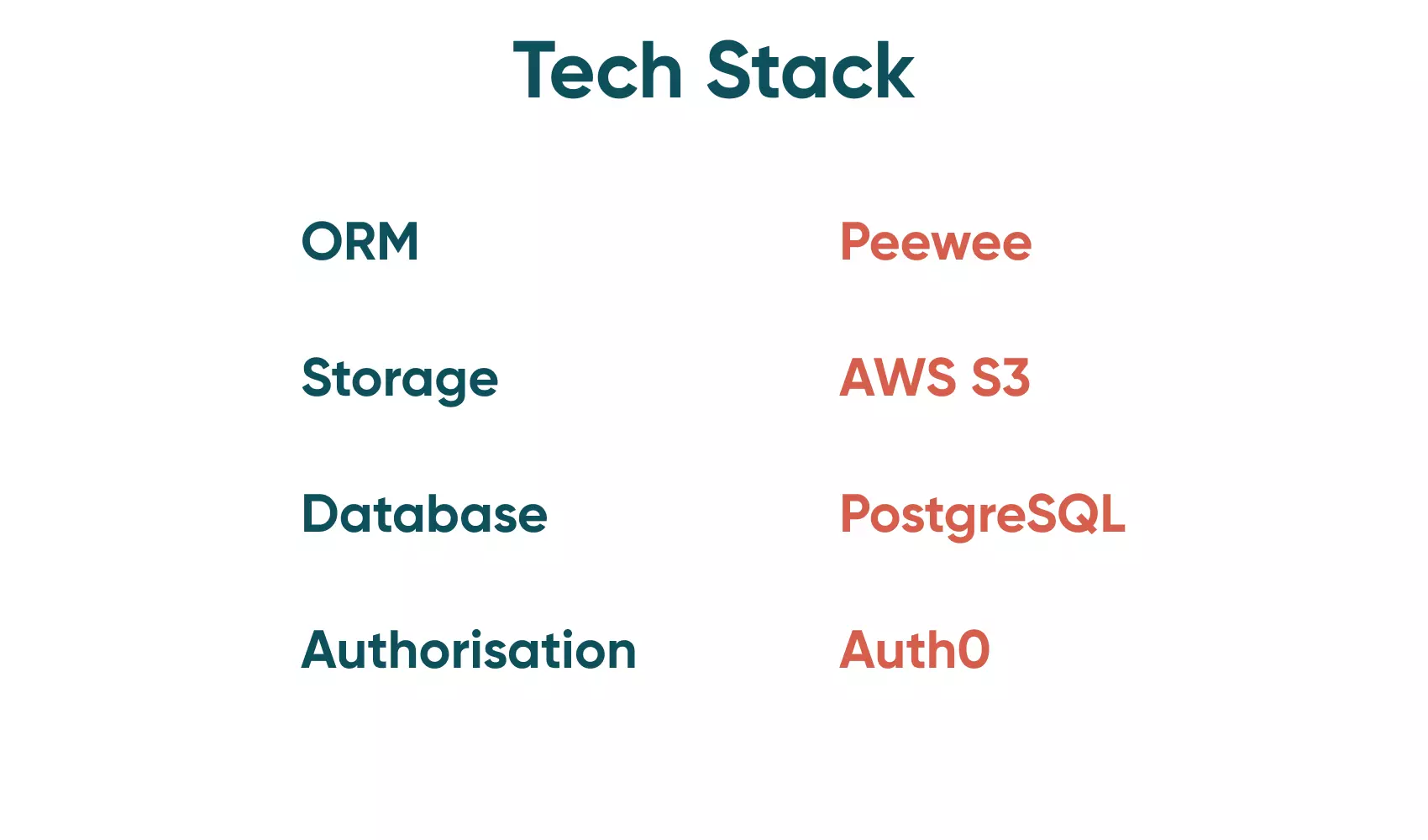
We also used CI/CD (continuous integration and continuous delivery/deployment): code is integrated continuously and checked by automated code analysis, and nobody has to deploy it manually.
Result
At the time of writing, we had been working on this project for over a year. Go Wombat developed the entire cloud part. We connected all the software components and turned the proof of concept into a full product.
Conclusion
If you want to apply machine learning to one production line or your whole production process, contact us.
Share and subscribe to our blog
Related articles

10 Key Software Development Trends In 2022
The software development trends we expected to matter most in 2022, from automation and AI to blockchain and PWAs, and what they mean for custom software.

Five Business Automation Trends to look out for in 2022
Five technology trends for business process automation in 2022, taken from Gartner's list: cloud-native platforms, composable applications, hyperautomation, AI engineering and generative AI.

How to Build an ERP System: Modules, Integration and Development Steps
Plan an ERP project: compare custom and ready-made software, choose the first modules, and map integration, testing and rollout requirements.

How can we help you ?