



Internet of Behaviour (IoB)

Businesses want to understand what their customers will do next, so they can offer each of them a more personal experience. The Internet of Behaviour (IoB) is one way to get there: it uses data from connected devices and online activity to understand, and influence, how people behave.
What Is the Internet of Behaviour? A short guide
Personalisation depends on knowing what customers actually do, not what they say in surveys. In its top technology trends for 2021, Gartner predicted that by the end of 2025 over half of the world's population would be subject to at least one IoB programme, commercial or governmental.
What IoB Means And Its Value In a Modern World
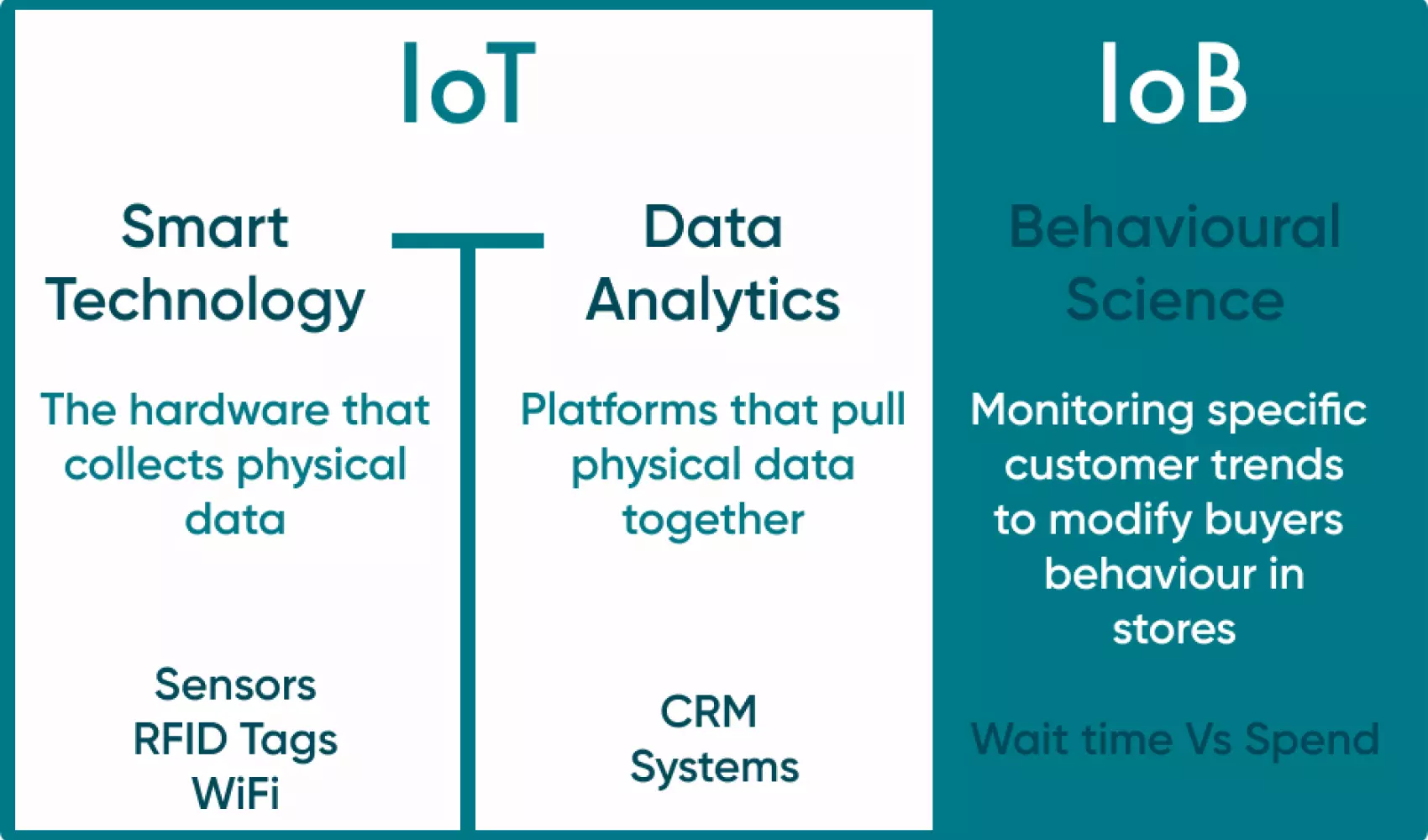
The Internet of Behaviour (IoB) is an extension of the Internet of Things (IoT). IoT data shows what people do; IoB tries to understand why they do it.
This article explains what IoB is, what value it brings to a business, where it is used and what risks it carries.
What Is IoB?
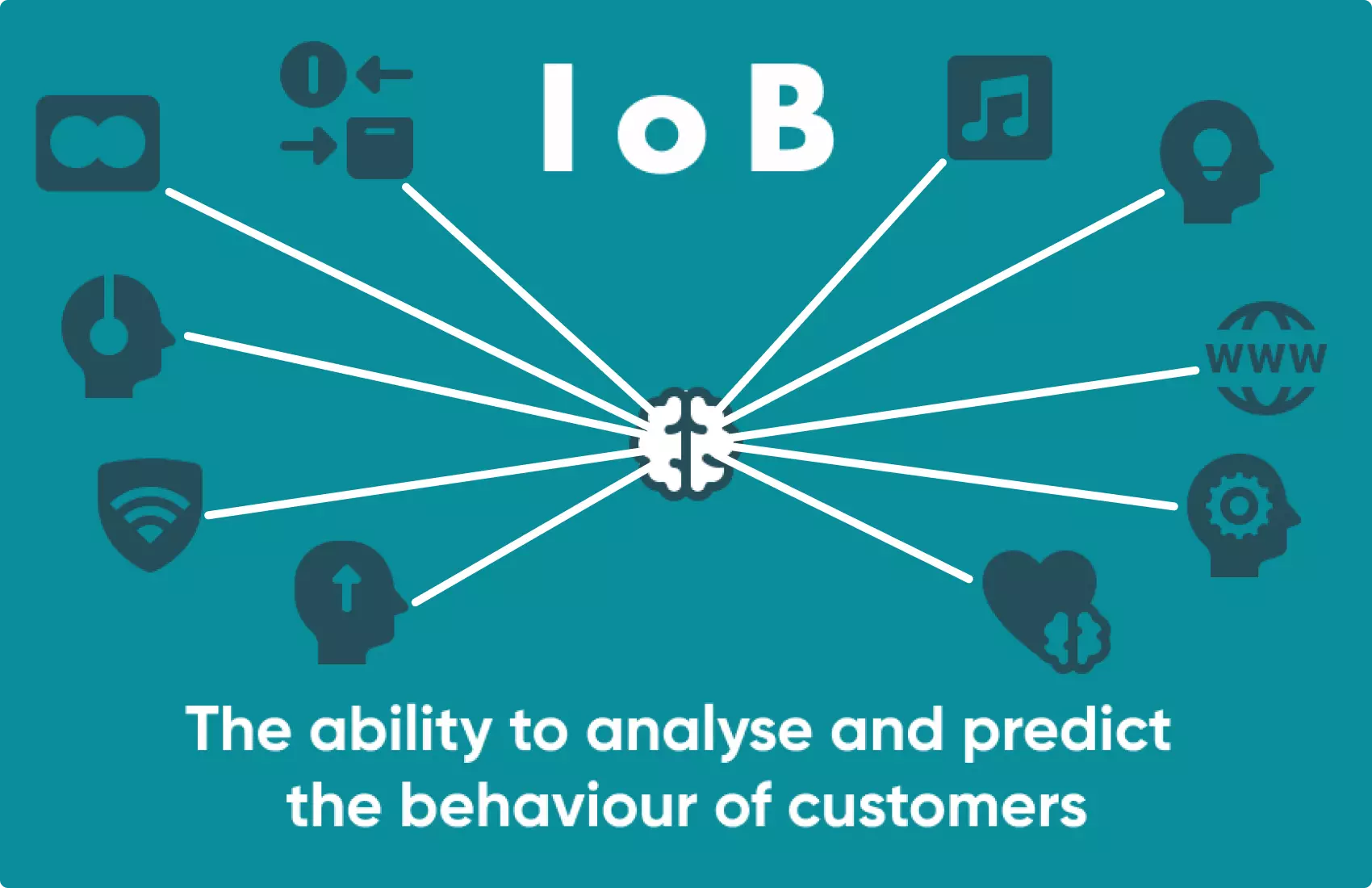
IoB's principle is simple: track how users behave online and with connected devices to understand their behaviour and preferences. The 'things' include wearables, such as smartwatches and fitness trackers that record heart rate and location, and implants that track body temperature, blood sugar and other health indicators.
IoB combines technologies focused on the individual, such as face recognition, location tracking and Big Data, and links the collected data to behaviour, such as how people use devices or make purchases.
Why IoB Is Important
The Internet of Things (IoT) is a network of physical devices that collect data and exchange it over the internet. As IoT grows, devices interact in more complex ways and collect more detailed data about how people live. Gartner describes IoB as using this 'digital dust' of people's daily lives to influence their behaviour. IoB relies on Big Data, the broader term for very large data sets, but the two are not the same thing.
The goal of IoB is to collect and analyse data on human behaviour and act on it, for example to increase customer satisfaction.
Behavioural data helps companies make better decisions, improve their service and optimise pricing, which is why sales and marketing teams use it.
Contact us to build software that uses behavioural data.
Benefits of the Internet Of Behaviour
Understanding consumer behaviour
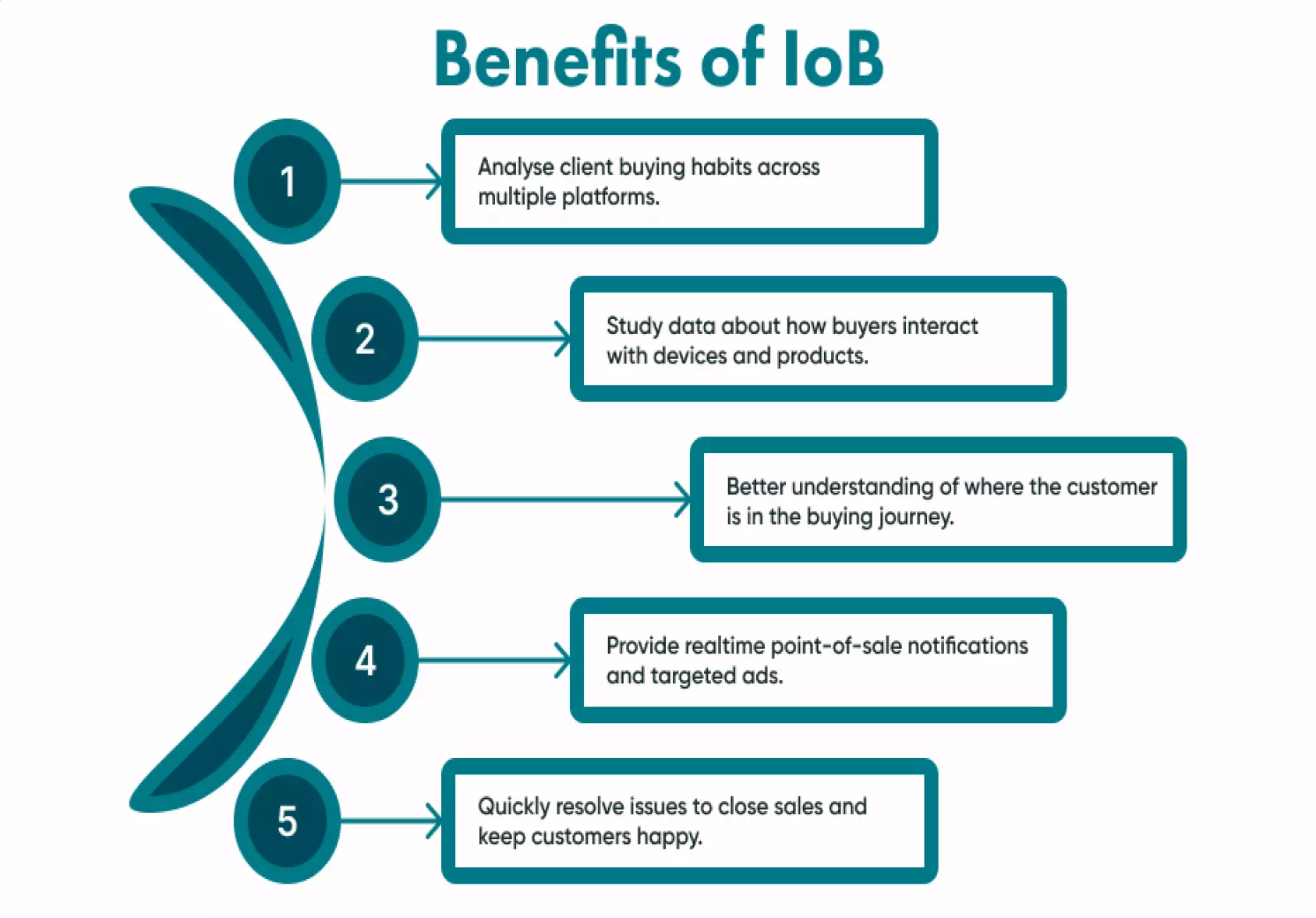
IoB analyses the collected data to recognise and interpret behaviour. It draws on behavioural psychology to shape product and marketing strategies. By analysing how customers behave, a business can predict what they will need and offer the right product or service when they need it.
Customer experience enhancement
If a customer had a bad experience in a shop, the company can spot it in the data and respond, for example with a personal offer or a free service to make up for the mistake. Handled well, this builds loyalty.
Valuable information
Companies collect plenty of customer data, but it is useless until it is analysed. IoB looks for behavioural patterns that marketing and sales teams can act on and turns raw data into information for growing the business. It also helps map customer journeys from start to finish.
Effective marketing
IoB brings psychology and marketing together. Knowing how buyers behave helps companies target them with accurate, less irritating advertising and turn potential customers into loyal ones. It complements digital marketing techniques.
Public Safety Improvement
IoB can track how people drive and flag dangerous behaviour to help prevent accidents.
Contact us to build your software with Go Wombat.
The Value of IoB For Businesses
Behavioural data can cut marketing and advertising costs, because campaigns reach the people most likely to buy. It also makes it easier to tailor a product or service to what customers intend to do. IoB builds on existing IoT technologies, but it relies on sensitive personal data, which raises the stakes for security and privacy.
How the Internet of Behaviour Can Be Used
Behavioural data already drives usage-based car insurance and streaming recommendations. Here are some of the areas where IoB is applied.
Healthcare
In healthcare, wearables, health apps and smart implants can track a patient's condition and behaviour between visits and give doctors more data to work with. Because this data is highly sensitive, it needs strong protection.
Tourism
In tourism, behavioural data can help build personalised tours, choose the best flight times and suggest locations or even room styles when customers book hotels online. Travel agencies can also analyse customer feedback to improve the experience.
HR Management
IoB tools can analyse the working day and how employees interact with customers, but in the EU this is now tightly regulated. Since 2 February 2025, the AI Act (Article 5(1)(f)) bans AI systems that infer people's emotions in the workplace, except for medical or safety reasons, and AI used to monitor and evaluate employees' performance and behaviour is classed as high-risk (Annex III). Behavioural data from customer interactions can also feed a CRM (Customer Relationship Management) system.
Insurance
Insurers can price policies on how customers actually behave instead of on averages. Usage-based car insurance, for example, sets premiums based on how a person drives.
Car Manufacturing
In car manufacturing, data on production processes can point to safety risks and ways to improve the line. It works alongside systems that factories already run, such as ERP (Enterprise Resource Planning) and a SCADA system, which connects operators with machines. Data on how people drive can also help plan vehicle maintenance and reduce its cost.
Behavioural data also helps improve website UX and SEO. Video streaming services already use it to recommend content based on what users watch.
Need help with software development? Talk to Go Wombat.
Major Challenges Of IoB
IoB also carries serious risks.
Cybersecurity
An IoB system is a large store of sensitive personal information, which makes it an attractive target for cybercriminals. The EU now sets mandatory cybersecurity requirements for such products: the Cyber Resilience Act (Regulation (EU) 2024/2847), adopted in October 2024, covers products with digital elements, including IoT devices. For consumer IoT, there is also the ETSI EN 303 645 standard.
Privacy concerns
Privacy is an ethical and legal issue for any company that collects behavioural data. For example, all companies that process data of EU residents must follow GDPR (General Data Protection Regulation). According to GDPR, users have the right to erase (aka the right to be forgotten). So when companies collect tons of valuable data about their customers, customers can request their data to be erased.
IoB Is The Future
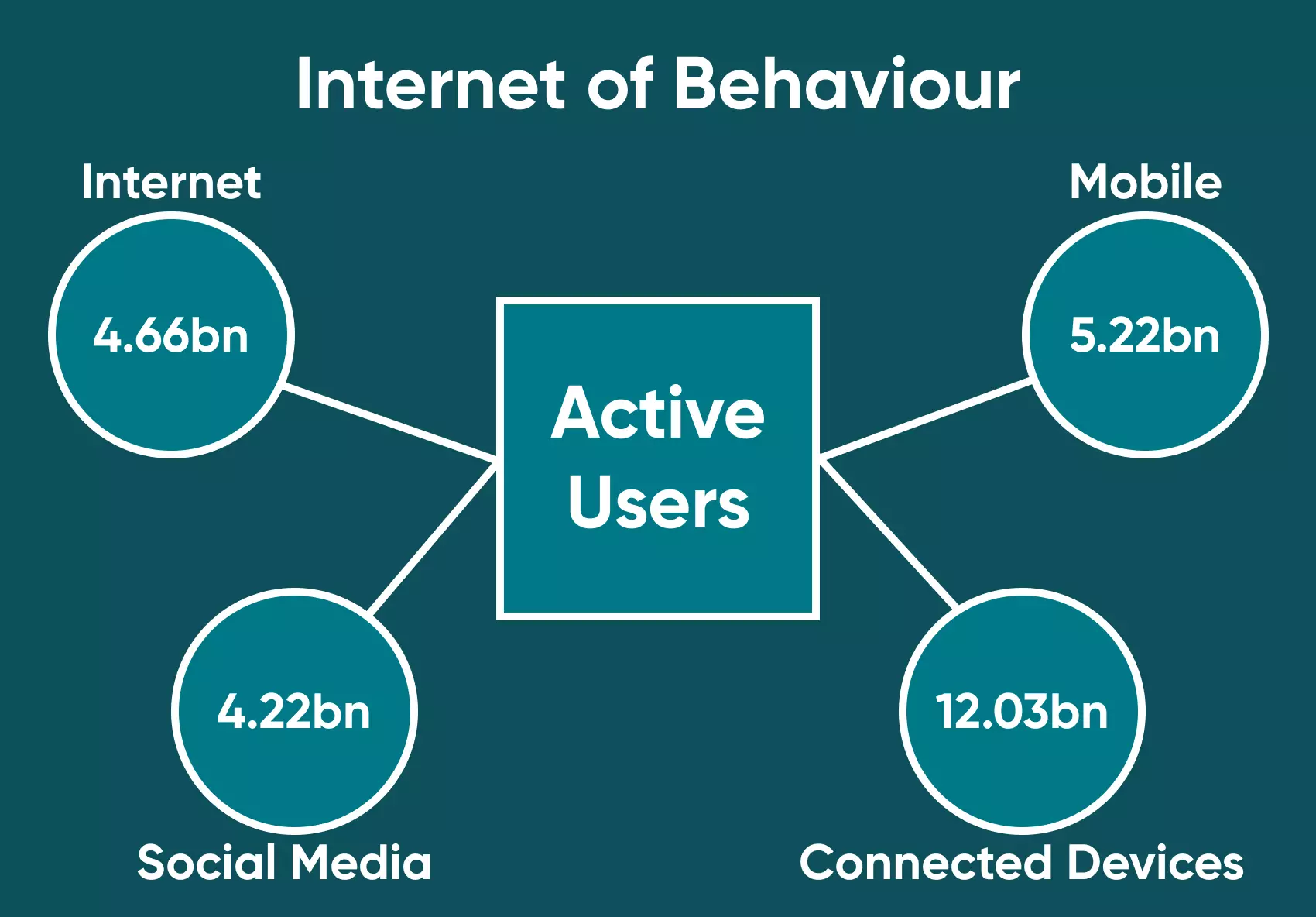
IoB is worth piloting where you already collect device data and have a clear legal basis to use it. At Go Wombat, we have certified Data Scientists who are involved in IoT projects where IoB is also applied.
In summary
IoB turns data from connected devices and online activity into an understanding of what customers like, dislike and intend to do. Used carefully, it helps companies personalise products, services and advertising.
The risks are just as real: an IoB system holds sensitive data, and the rules on cybersecurity and on monitoring people, especially at work, have become stricter.
Contact us to discuss your IoT or data project.
Share and subscribe to our blog
Related articles

10 Key Software Development Trends In 2022
The software development trends we expected to matter most in 2022, from automation and AI to blockchain and PWAs, and what they mean for custom software.

Cloud Data Security: Protecting Sensitive Data
What cloud data security covers in private, public and hybrid clouds, why the Capital One, Uber and Accenture incidents happened, and the controls that prevent them.

How Artificial Intelligence Enhances The Hospitality Industry
How hotels and travel agents use artificial intelligence, from guest-journey analysis and booking to chatbots, housekeeping and utility management, and the challenges that remain.

How can we help you?

